
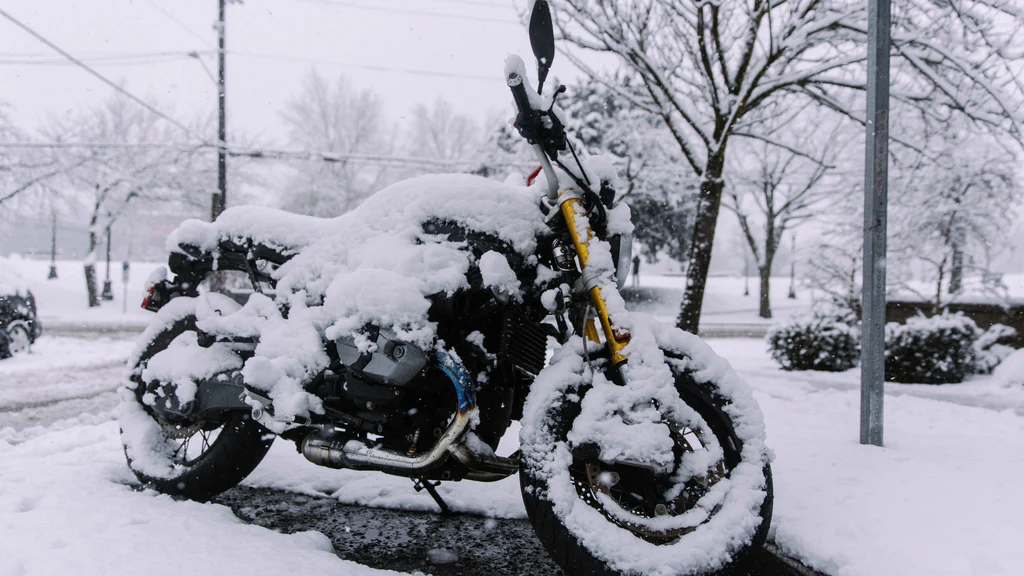
Winter is a strange time for motorcycle and scooter owners. For some riders, it marks the end of the season. The days get short, the air gets biting cold, and the roads become slippery and dangerous. For these people, winter is about hibernation, tucking the bike away safely until the flowers bloom again in spring. For others, the “all-weather” riders, winter is just another challenge. It is a time to bundle up in extra layers, install heated grips, and brave the elements. Whether you are storing your bike or riding it through the frost, winter is undeniably the harshest season for your machine. The cold temperatures change how metals and fluids behave. The dampness in the air promotes rust. And if you live in an area where they salt the roads to melt ice, you are dealing with one of the most corrosive substances on earth.
Neglecting your bike during these cold months is the easiest way to age it prematurely. We have all heard stories of people trying to start their bike on the first sunny day of spring, only to be met with a dead battery, a rusty chain, or a carburetor gummed up with old fuel. It is heartbreaking to see a beautiful machine deteriorate just because it sat still for three months. But it does not have to be this way. With a little bit of preparation and some specific maintenance routines, you can keep your bike healthy, happy, and ready to roar. In this guide, we are going to explore every aspect of winter bike care. We will look at the science of why batteries die in the cold, how to stop tires from getting flat spots, and the secrets to keeping rust at bay. We will use simple, plain English to make sure you have all the knowledge you need to protect your pride and joy.
The Battery Battle Keeping the Spark Alive in the Cold
The most common victim of winter is the battery. You might park your bike in December with a perfectly good battery, and come back in March to find it completely dead. This happens because of chemistry. A battery works by a chemical reaction inside lead plates and acid. Cold temperatures slow this reaction down. At freezing temperatures, a battery can lose up to 50% of its cranking power. At the same time, the engine oil becomes thicker and harder to turn over. So, you have a weaker battery trying to do a harder job.
If you are riding through the winter, your battery is under constant stress. You are likely using more electrical accessories like heated grips, heated vests, or extra fog lights. If you only take short trips, the alternator might not have enough time to recharge the battery fully after the heavy strain of starting the cold engine. This leads to a slow, painful death for the battery. To prevent this, check your terminals. Make sure they are tight and free of corrosion (that white powdery stuff). Smear a little dielectric grease or petroleum jelly on them to keep moisture out.
If you are storing the bike, do not just leave the battery in the bike connected. Even when the ignition is off, the bike draws a tiny amount of power for the clock and the alarm system. Over three months, this “parasitic draw” will drain the battery to zero. Once a lead-acid battery goes to zero, it is often chemically ruined and won’t hold a charge again. The best solution is to remove the battery and bring it inside your house where it is warm. Hook it up to a “smart charger” or a “trickle charger.” These devices monitor the battery and feed it a tiny amount of electricity just to keep it topped up without overcharging it. This ensures that when spring arrives, you have 100% power at the push of a button.
Tyre Care and Pressure Managing Grip on Frozen Roads
Tyres are your only connection to the road, and in winter, that connection is precarious. Rubber is sensitive to temperature. Summer tyres are designed to be soft and sticky in the heat, but when the temperature drops below 7 degrees Celsius (about 45 Fahrenheit), that rubber hardens. It becomes like plastic. Hard rubber does not grip the asphalt; it slides over it. This is why winter riding feels so slippery even if there is no ice on the road.
The other major issue is air pressure. Physics tells us that when a gas gets cold, it contracts. The air inside your tyres takes up less space in winter. For every 10-degree drop in temperature, your tyre pressure can drop by 1 to 2 PSI. If you last checked your tyres in August, they could be dangerously under-inflated by December. Under-inflated tyres squirm and flex, making the handling feel vague and unstable, which is the last thing you want on a cold, damp road.
Check your tyre pressures every single week in winter. Do it when the tyres are cold, before you ride. If you are storing the bike, tyres are still at risk. If a bike sits in the exact same spot for months, the weight of the bike presses down on one section of the tyre. This can create a “flat spot.” The tyre physically deforms, and when you ride it later, you will feel a thump-thump-thump vibration. To prevent this, pump the tyres up to their maximum PSI listed on the sidewall for storage (remember to lower it before riding!). Ideally, put the bike on a center stand or paddock stands to lift the wheels off the cold concrete. If you don’t have stands, park the tyres on a piece of carpet or wood to insulate them from the freezing ground and rotate the wheels slightly every few weeks.
Engine Oil and Coolant The Lifeblood of Your Machine
Your engine relies on fluids to survive, and winter changes how those fluids behave. Let’s start with oil. Oil has a “viscosity,” or thickness. In the cold, oil gets thick like honey. When you hit the starter button on a freezing morning, that thick oil struggles to pump through the narrow passages of the engine. This means for the first few seconds, your metal engine parts might be rubbing against each other with very little lubrication.
Check your owner’s manual. Many manufacturers recommend switching to a “lighter” or thinner oil for winter riding. For example, if you usually use 10W-40, you might switch to 5W-40. The “W” stands for Winter. The lower the number, the thinner the oil is when it is cold, allowing it to flow faster and protect your engine during those critical startup seconds. If you are storing the bike, change the oil before you put it away. Old oil contains acids and combustion byproducts that can corrode the inside of your engine if left to sit for months. Fresh oil is like a clean blanket for your engine internals.
Then there is the coolant. If your bike is liquid-cooled, this is non-negotiable. You must ensure you have the correct mixture of antifreeze and water. Plain water freezes at 0 degrees Celsius. If the fluid inside your engine freezes, it expands. This expansion is powerful enough to crack your engine block or blow the cylinder head off. It destroys the engine instantly. Antifreeze lowers the freezing point of the liquid to way below zero. You can buy a cheap tester at an auto parts store to check the freezing point of your current coolant. If it is old or mostly water, flush it and put in fresh, high-quality coolant. This protects your engine from freezing and also prevents rust from forming inside the radiator.
Protecting the Chain and Drive from Rust and Salt
The drive chain is the most exposed moving part on your bike. It sits just inches from the ground, right in the line of fire from the rear wheel. In winter, the rear wheel kicks up a spray of water, mud, grit, and—if you live in a snowy area—road salt. This mixture is a disaster for metal chains. Salt accelerates rusting aggressively. You can ride a brand new chain on a salty road, park it for one night without cleaning it, and wake up to find it bright orange with rust.
Rust is not just cosmetic on a chain. It creates friction. It creates “kinks” or stiff links that don’t bend easily. A stiff chain can snap under load or wear out your sprockets in record time. If you ride in winter, you must clean and lubricate your chain much more often than in summer. You might need to do it once a week or after every wet ride.
Use a “wet” chain lube in winter. Dry lubes or wax lubes are great for summer because they don’t attract dirt, but they wash off easily in the rain. A wet lube is sticky and oily. It holds onto the chain tenaciously, forming a waterproof barrier against the salt and spray. It makes a mess of your rear wheel, sure, but it saves your chain. If you are storing the bike, clean the chain thoroughly with kerosene or a chain cleaner to remove all the old grime, dry it, and then soak it in a heavy coat of lube. This seals the metal and ensures it stays rust-free until spring.
Washing and Corrosion Protection Fighting the Elements
It might seem counterintuitive to wash your bike in winter. Why wash it if it is just going to get dirty again five minutes into the next ride? The answer is salt. Road salt is incredibly corrosive. It eats aluminum, rusts steel, and seizes bolts. If you leave salt on your bike, it works its way into the nooks and crannies—the brake calipers, the suspension linkage, the electrical connectors—and destroys them.
You need to rinse your bike regularly with cold water. Do not use hot water to wash off salt, as heat actually accelerates the chemical reaction of corrosion. Use a hose to gently blast the salt out from under the fenders and around the engine.
Once the bike is clean and dry, you need a barrier. There are specialized anti-corrosion sprays available, like ACF-50 or XCP Rust Blocker. These are oily, waxy sprays that you apply to the metal parts of the bike (engine, frame, forks, bolts). Do not get it on the brakes or the tyres! These sprays create a thin film that creeps into gaps and repels moisture. They neutralize salt. A single application can protect your bike for months. It might make the bike look a bit greasy, but a greasy bike is better than a rusty one. If you are storing the bike, give it a full wash, dry it completely (use a leaf blower to get water out of the cracks), and then coat it in a protectant spray before covering it up.
Fuel System Management Preventing Water and Gunk
Modern fuel contains ethanol (corn alcohol). Ethanol is “hygroscopic,” meaning it attracts water from the air. In a sealed gas tank, this isn’t a huge problem quickly. But over a long winter, temperature changes cause condensation to form inside the metal tank. The water drips down into the fuel. The ethanol grabs this water and separates from the gasoline, sinking to the bottom. This is called “phase separation.”
When you try to start the bike in spring, the fuel pump sucks up this water-ethanol sludge instead of gas. The bike won’t start, or it will run terribly. The water can also rust the inside of the gas tank, sending flakes of rust into your fuel injectors.
To prevent this, you have two choices for storage. Option one: Drain the tank completely. This is the best way but is difficult to do. Option two (the easier way): Fill the tank to the very brim with fresh, premium fuel (which usually has less ethanol). If the tank is full, there is no room for air, so condensation cannot form. Before you fill it, add a bottle of “Fuel Stabilizer.” This is a chemical that keeps the gas fresh for up to 12 months and prevents the ethanol from separating. Run the engine for ten minutes after adding it to ensure the stabilized fuel reaches the injectors and the engine.
Proper Storage Solutions for Long Term Hibernation
Where you park your bike matters. If possible, keep it indoors in a garage or a shed. The goal is to keep it dry and keep the temperature relatively stable. If you have to park it outside, you are fighting a harder battle.
Invest in a high-quality motorcycle cover. Do not use a cheap blue plastic tarp. Plastic tarps trap moisture. The moisture rising from the ground gets stuck under the tarp and creates a greenhouse effect, sweating the bike and causing rust. You need a “breathable” cover that lets moisture escape while stopping rain from getting in.
Secure the cover tightly so it doesn’t flap in the wind. Flapping fabric acts like sandpaper and will rub the paint off your tank and fenders over a few months. As mentioned before, get the tyres off the ground if you can. If you are in a garage with a concrete floor, putting a piece of old carpet or a rubber mat under the bike helps stop the cold dampness from the floor from reaching the metal. Plug the exhaust pipe and the air intake with a rag or a specialized rubber bung. Mice and rats love to make nests in airboxes and exhaust pipes during winter because they are sheltered spots. Blocking the holes keeps the critters out.
Riding Gear and Visibility Staying Warm and Seen
Winter care isn’t just about the bike; it is about the rider, too. If you are freezing cold, your reaction times slow down. Your fingers get stiff and can’t work the brake or clutch smoothly. Shivering makes the bike unstable. To ride safely in winter, you need the right gear.
Layering is key. Start with a thermal base layer to trap body heat. Use a windproof mid-layer. The wind chill factor at 60 mph is severe; 40-degree air can feel like 10 degrees. Invest in good winter gloves or install heated grips. Heated grips are a game-changer; keeping your palms warm helps keep the blood flowing to your fingers.
Visibility is a massive issue in winter. The days are short, and it is often foggy or raining. Car drivers are looking for headlights, not single bike lights. Wear high-visibility gear or add reflective tape to your helmet and bike. Your helmet visor is another challenge. In the cold, your warm breath will fog up the visor instantly, blinding you. Use a “Pinlock” insert (a double-glazed lens for your visor) or an anti-fog spray. Never ride with a fogged visor; it is incredibly dangerous. Keep a clean microfiber cloth in your pocket to wipe away road spray from your visor and your bike’s headlights when you stop.
Lights and Electrical System Checks
Darkness comes early in winter. You will likely be doing a lot more riding at night or in low-light conditions. Your lights are your lifeline. They are the only way you can see the road hazards and the only way other traffic can see you.
Before winter sets in, check every single bulb. Headlight (high and low beam), brake light (front and rear switches), and all four turn signals. Winter is a great time to upgrade to brighter bulbs. If you have standard halogen bulbs, consider high-performance halogens or LEDs (if they are legal and compatible) to punch through the gloom and rain.
Also, check the physical condition of the wiring. Cold temperatures make plastic insulation brittle. If you have old, cracked wires, the vibration of riding can snap them. Road salt can get into the connectors and cause short circuits. Take a look at the wires around the steering head where they flex when you turn the bars. If you see any exposed copper, wrap it in electrical tape. Spray some electrical contact cleaner into your handlebar switches (turn signals, starter button) to flush out any gunk or frozen water that might cause them to stick.
Conclusion Being Ready for the Spring Thaw
Winter bike care is a commitment. It requires a little bit of effort, some planning, and a few specific tools. But the reward is worth it. By taking care of your battery, fluids, tyres, and metalwork, you are preserving the value and performance of your machine.
If you are a winter rider, these steps keep you safe on the road. They ensure your bike starts every morning and stops every time you need it to. If you are storing your bike, these steps ensure that when the first warm day of spring arrives, you are not stuck in the garage with a dead battery and a rusty chain. You will be ready to ride immediately.
Think of winter care as an investment in your future happiness. A well-maintained bike is a joy to ride. It is reliable, smooth, and safe. So, don’t let the cold weather win. Grab your cover, your fuel stabilizer, and your chain lube, and give your bike the protection it deserves. When the sun comes back out, you and your machine will be ready to hit the road together.