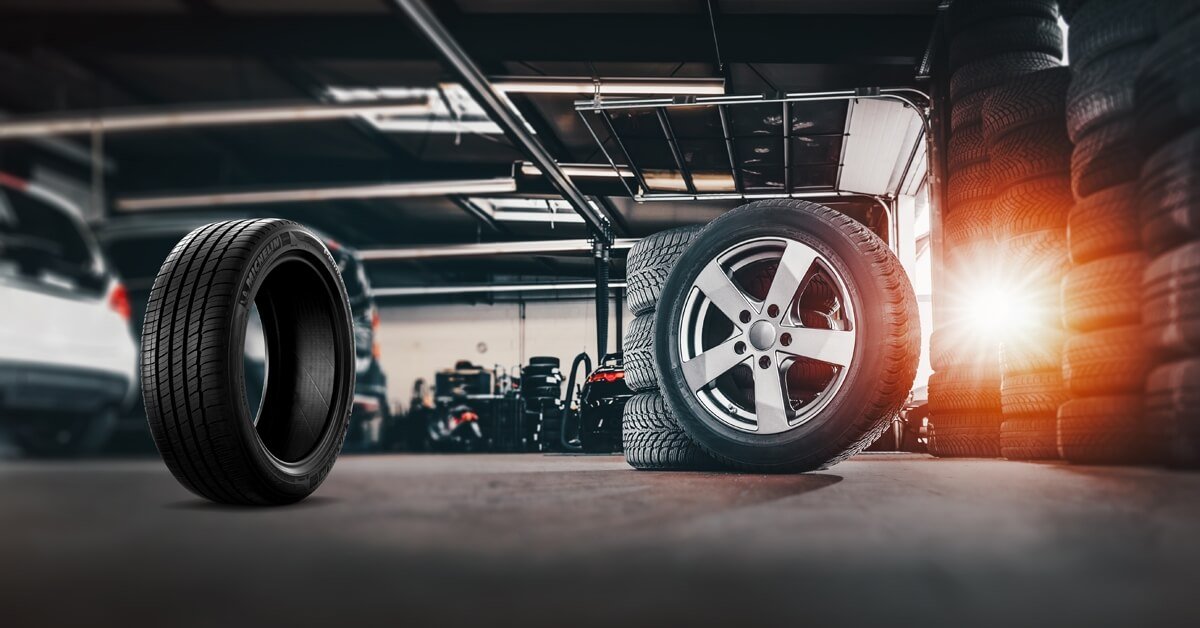
When you look at a car, your eyes probably go to the shiny paint, the sleek headlights, or the comfortable interior. We often judge a vehicle by how it looks or how fast it can go. But there is one part of the car that is more important than all the leather seats and Bluetooth stereos combined. It is the only part of the car that actually touches the ground. I am talking about your tyres. Think about it for a second. Your entire car, which weighs thousands of pounds, along with you and your family, is supported by four patches of rubber the size of your hand. That is it. That small contact patch is responsible for every turn, every stop, and every acceleration.
Despite how critical they are, tyres and wheels are often the most neglected parts of a vehicle. We kick them to see if they are flat, and that is about it. We drive over potholes without thinking, we scrape them against curbs when parking, and we ignore them until a light pops up on the dashboard. But taking care of your rubber and rims is not just about saving money on replacements, though it will definitely do that. It is about safety. A well-maintained tyre stops faster in the rain, handles better in an emergency, and gives you a smoother ride. Neglecting them can lead to blowouts at highway speeds, which is a terrifying experience nobody wants to have. This guide is here to change how you look at your wheels. We are going to walk through everything you need to know about tyre and wheel care, using simple, plain English. By the end of this post, you will know exactly how to keep your ride smooth, safe, and efficient.
Understanding Air Pressure The Breath of Life for Your Tyres
The most important aspect of tyre maintenance is also the simplest: air pressure. Your tyres are not just solid rubber donuts; they are balloons made of complex layers of fabric and steel, inflated with air. The air inside supports the weight of the car, not the rubber itself. If the air pressure is wrong, the tyre changes shape, and that is where the trouble starts.
If a tyre is under-inflated (too soft), the sides of the tyre bulge out. This causes the edges of the tread to wear out faster than the middle. It also creates massive amounts of heat because the rubber is flexing too much as it rolls. Heat is the enemy of tyres. Too much heat can cause the internal structure to separate, leading to a blowout. On the flip side, if a tyre is over-inflated (too hard), it bulges in the middle like a donut. Only the center of the tread touches the road. This gives you less grip, makes the ride feel harsh and bumpy, and wears out the center strip very quickly.
You need to find the “Goldilocks” pressure—just right. Do not look at the number printed on the side of the tyre itself; that is the maximum pressure the tyre can hold, not the recommended pressure for your car. Look for a sticker inside the driver’s door jamb, or check your owner’s manual. It will usually be around 32 to 35 PSI (Pounds per Square Inch). Buy a cheap tyre gauge and check this once a month. Do it in the morning when the tyres are “cold” (before you have driven on them), because driving heats up the air and gives you a false high reading. This five-minute habit improves your gas mileage and keeps you safe.
Checking Tread Depth Knowing When to Say Goodbye
Tyres do not last forever. As you drive, the rubber rubs against the asphalt and slowly wears away. The “tread” is the pattern of grooves cut into the tyre. These grooves are not just for decoration. Their main job is to channel water away from the tyre when it rains. If the tyre was completely smooth (like a race car slick), it would float on top of the water like a water ski. This is called hydroplaning, and it means you have zero control over the car.
You need to monitor how deep these grooves are. In most places, the legal minimum limit is 1.6 millimeters, but honestly, that is too low for safety. You want to replace them before they get that bad. There is a simple trick called the “Penny Test.” Take a standard penny (or any coin with a head on it) and stick it into the groove upside down. If you can see all of the head, your tread is too low. It means the tyre cannot move enough water to keep you safe in a storm.
You should also look for “Wear Bars.” These are little rubber bridges built into the grooves of the tyre. When the tread wears down to be level with these bars, it is time to buy new ones. Do not try to squeeze “just one more month” out of bald tyres. The cost of a new set of tyres is much less than the cost of repairing your car after sliding into a guardrail.
The Vital Difference Between Wheel Alignment and Balancing
People often confuse these two terms, but they mean very different things. Both affect how your car feels, but they fix different problems. Let’s start with Wheel Alignment. Alignment is about direction. Ideally, all four of your wheels should point perfectly straight forward and stand perfectly vertical. However, hitting potholes or curbs can knock the suspension slightly out of whack.
If your alignment is bad, your wheels might be pointing slightly inward (pigeon-toed) or outward (duck-footed). You might not see it with your naked eye, but you will feel it. The car will pull to one side of the road, forcing you to constantly turn the steering wheel just to go straight. This “scrubbing” motion destroys tyres incredibly fast. It can chew through a brand new set of rubber in a few thousand miles. Getting an alignment check every year ensures your wheels are rolling straight and true.
Wheel Balancing is about weight. A tyre and wheel assembly is heavy. If one side of the tyre is even half an ounce heavier than the other side, it will wobble when it spins fast. Think of a washing machine with an unbalanced load; it shakes the whole house. An unbalanced wheel will vibrate. You will usually feel this vibration in the steering wheel or the seat when you are driving on the highway at 60 mph. Mechanics fix this by sticking tiny lead weights to the rim of the wheel to even out the heavy spots. If your steering wheel shakes, get your wheels balanced. It saves your suspension and your nerves.
Why Rotation is the Secret to Long Tyre Life
Your car does not treat all four tyres equally. In most cars, the engine is in the front, making the front heavy. The front wheels also have to do all the steering and most of the braking. In a front-wheel-drive car, they also have to provide the power to move. This means the front tyres work much, much harder than the rear tyres.
If you never moved them, your front tyres would wear out twice as fast as your rear ones. You would end up buying tyres in pairs all the time. Tyre Rotation is the solution. This simply means moving the tyres to different positions on the car. Usually, you move the front ones to the back and the back ones to the front (sometimes crossing them left to right depending on the drive type).
By doing this every 5,000 to 8,000 miles (basically every time you change your oil), you spread the wear evenly across all four tyres. They all wear down at the same rate. This allows you to buy a full set of four new tyres at the same time, which is safer and often cheaper because you can get package deals. It keeps the handling of the car consistent. If you have bald tyres on the front and new ones on the back, the car can handle unpredictably in an emergency. Rotation keeps everything balanced.
Inspecting for Hidden Damage Cuts Bulges and Nails
Air pressure and tread depth are the big things, but you also need to do a visual inspection for trauma. Roads are full of sharp objects. Nails, screws, glass, and jagged rocks are waiting to attack your rubber. Sometimes, you pick up a nail and the tyre doesn’t go flat immediately. It stays stuck in the rubber, sealing the hole it made, leaking air very slowly.
Walk around your car once a week. Look closely at the tread. If you see something shiny, it is probably a nail. Do not pull it out yourself unless you are at a tyre shop! If you pull it out, the air will rush out instantly. Take it to a professional who can patch it from the inside properly.
You also need to look at the “Sidewall”—the side of the tyre facing you. Look for cuts or gouges from hitting curbs. The most dangerous thing to look for is a “Bulge” or a bubble on the side. This looks like a ping-pong ball growing out of the rubber. This happens when you hit a pothole so hard that the internal fabric structure of the tyre snaps. Air pressure pushes against the weak spot, creating a bubble. This is a ticking time bomb. You cannot repair a bulge. If you hit another bump, that bubble will burst, causing a blowout. If you see a bubble, replace the tyre immediately. It is not safe to drive on, even for a short distance.
Cleaning Your Wheels Fighting the Brake Dust Menace
We have talked a lot about the rubber, but what about the metal wheels (rims)? Cleaning them is not just about vanity; it is about preservation. The black dust that covers your front wheels is not just road dirt. It is “Brake Dust.”
Brake dust is made of tiny shavings of metal and adhesive from your brake pads and hot iron particles from your rotors. It is highly corrosive. If you leave it on your wheels for months, it will eat into the clear coat of the wheel. It can cause pitting and permanent stains that no amount of scrubbing will remove. Eventually, it can corrode the metal itself, leading to air leaks around the bead where the tyre meets the wheel.
To clean them, use a cleaner specifically made for wheels. Some cleaners are acidic (for heavy grime) and some are pH neutral (safer for sensitive finishes). Spray it on a cool wheel—never spray cold water on hot brakes!—and let it sit for a minute. You will see it turn purple or brown as it dissolves the iron. Use a soft brush to get into the nooks and crannies. Rinse it off thoroughly. If you really want to protect them, apply a coat of wheel wax or ceramic coating. This makes the brake dust slide off easily the next time you wash the car, keeping your rims looking brand new for years.
How Your Driving Habits Impact Your Tyres
You can buy the most expensive, high-performance tyres in the world, but if you drive recklessly, you will destroy them in a year. Your driving style has a massive impact on tyre longevity. The biggest killer is “scrubbing.”
This happens when you turn the steering wheel while the car is not moving. We all do it when parallel parking. We crank the wheel all the way to the left while stopped, grinding the rubber into the abrasive asphalt like a cheese grater. Try to always have the car moving, even just an inch per second, while you turn the wheel. It relieves the stress on the rubber and your steering system.
Also, be gentle with curbs. When you park, don’t use the curb as a stopper. Scraping the side of the wheel against the concrete is called “Curb Rash.” It makes the wheel look ugly, but it can also pinch the sidewall of the tyre, weakening it. And watch out for potholes. If you see one, don’t brake while you hit it. Brake before you hit it, then let off the brake as you go over it. If your brakes are locked when you hit the edge of a hole, the impact is much harsher because the wheel stops rolling. Rolling over a bump is always better than sliding into it. Smooth, attentive driving preserves your investment.
Storing Tyres Correctly for Seasonal Changes
If you live in a place with snowy winters, you might have two sets of tyres: Summer and Winter. This means you have to store one set for six months at a time. How you store them matters. Rubber is a natural material that degrades with UV light (sunshine) and ozone.
Do not just leave your winter tyres in a pile in the backyard. The sun will dry them out, causing “Dry Rot.” The rubber will crack and become hard, ruining the grip. Store them in a cool, dry, dark place, like a garage or basement. Keep them away from electric motors (like furnaces or compressors) because motors generate ozone, which eats rubber.
Ideally, clean them before you store them. Wash off the brake dust and road salt so it doesn’t eat away at the rubber for six months. If the tyres are on rims, you can stack them on top of each other. If they are off the rims (loose rubber), stand them upright on a shelf and rotate them once a month so they don’t get a flat spot. Proper storage ensures that when the first snow falls next year, your winter tyres are soft, pliable, and ready to grip the ice.
The Spare Tyre Do Not Forget the Fifth Wheel
Finally, we have to talk about the forgotten hero: the spare tyre. Most of us never think about it until we are standing on the side of the highway in the rain with a flat. There is nothing worse than opening your trunk, pulling out the spare, and finding out that it is flat too.
The spare tyre loses air over time just like the other four. Because it sits in the dark trunk for years, it is easy to forget. Make a habit of checking the spare tyre’s pressure every time you check the others. It usually needs a much higher pressure (often 60 PSI) because it is smaller.
Also, check its age. Tyres expire. Even if a tyre has never been driven on, the rubber degrades after about 6 to 10 years. If your car is 15 years old and still has the original spare, that tyre might burst the moment you put weight on it. Check the date code on the sidewall. If it is ancient, buy a cheap new tyre for the spare rim. It is a small cost for the assurance that you have a way home when things go wrong.
Conclusion Rolling Towards a Safer Future
Tyre and wheel care might seem like a boring chore. It involves getting on your knees, getting your hands dirty with brake dust, and checking pressures with a little gauge. It is not glamorous. But it is the foundation of your safety.
When you take care of your tyres, they take care of you. They grip the road when a deer jumps out in front of you. They channel the water away during a thunderstorm. They provide the quiet, smooth comfort that makes a long road trip enjoyable.
You do not need to be a mechanic to do this. You just need to be observant. Look for the wear. Feel for the vibration. Listen for the noise. By spending ten minutes a month on your wheels, you extend the life of your car, save money on fuel and repairs, and most importantly, ensure that you and your passengers arrive at your destination safely. So, go kick those tyres—but then, maybe check the pressure too.