
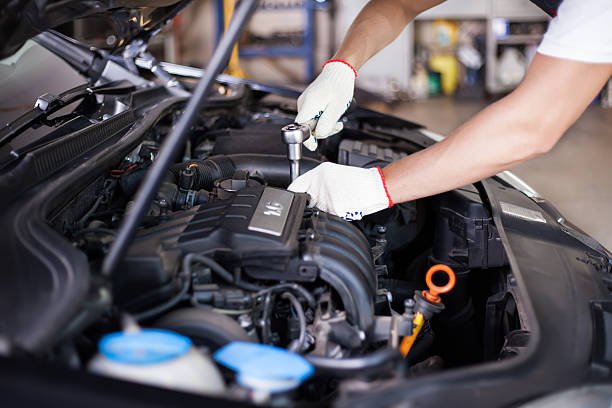
We often take our cars for granted. We jump in, turn the key, and expect them to take us wherever we need to go. Whether it is the daily commute to work, a road trip with the family, or just a quick run to the grocery store, our cars are always there for us. But deep under the hood lies a complex machine that works incredibly hard every single second the engine is running. The engine is the heart of your vehicle. Just like a human heart needs exercise and healthy food to keep beating strong, your car’s engine needs regular care and attention to stay healthy.
Many people find engine maintenance intimidating. They pop the hood, see a mess of wires, tubes, and metal, and immediately close it again. They think that car maintenance is something only mechanics can understand. But the truth is, keeping your engine happy is actually quite simple. You do not need to be a master mechanic to understand the basics. You just need to know what to look for and when to take action. By following a few simple rules and being consistent, you can make your engine last for hundreds of thousands of miles. This guide is going to walk you through the most important aspects of engine maintenance in simple, plain English. We will cover the fluids, the filters, the belts, and the habits that will save you money and keep you on the road for years to come.
The Lifeblood of Your Car Understanding Oil Changes
If there is one thing almost everyone knows about car maintenance, it is that you need to change the oil. But do you know why? Oil is the lifeblood of your engine. Inside your engine, there are hundreds of metal parts moving against each other at incredibly high speeds. Pistons move up and down, crankshafts spin, and valves open and close. If these metal parts touched each other directly, the friction would create so much heat that they would melt and weld together in seconds. Oil creates a thin, slippery film between these parts, allowing them to glide smoothly without damaging each other.
Over time, however, oil breaks down. It gets exposed to extreme heat and pressure, which changes its chemical structure. It acts like a sponge, soaking up dirt, dust, and tiny metal shavings that naturally occur inside the engine. Eventually, the oil becomes thick and sludge-like. When it turns into sludge, it cannot flow properly. It clogs up the tiny passages in the engine, starving critical parts of lubrication. This causes friction, heat, and eventually, catastrophic engine failure.
This is why changing your oil is non-negotiable. Most modern cars can go between 5,000 and 7,500 miles between changes, but you should always check your owner’s manual for the specific number. Do not just rely on the sticker the mechanic puts on your windshield; know what your specific car needs. Also, pay attention to the type of oil. Some cars need “synthetic” oil, which is engineered to last longer and handle higher temperatures, while others are fine with “conventional” oil. Using the wrong type can reduce your engine’s efficiency. Checking your oil level is also easy. Just pull out the dipstick, wipe it clean with a paper towel, put it back in, and pull it out again. The oil should be between the two marks. If it is low, add a little bit. It is a five-minute task that can save you thousands of dollars in repairs.
Breathing Easy The Importance of Air Filters
Your engine needs two things to create power: fuel and air. It mixes these two together and ignites them to create the explosion that pushes the pistons. We often think about the fuel, but we rarely think about the air. Your engine breathes just like you do. And just like you wouldn’t want to run a marathon while breathing through a straw, your engine cannot perform well if its airway is blocked.
The air filter is the gatekeeper. It sits at the front of the engine intake and catches all the dust, pollen, leaves, and bugs that try to get inside. Without an air filter, all that junk would get sucked right into the engine cylinders. Dust acts like sandpaper inside the engine, scratching the smooth walls of the cylinders and wearing down the piston rings. Over time, this leads to a loss of compression and power.
However, as the filter does its job, it gets dirty. It fills up with debris. Eventually, it gets so clogged that air cannot get through easily. The engine has to work harder to suck in the air it needs. This messes up the fuel-air mixture. The computer tries to compensate by adding more fuel, which means your gas mileage drops. You might notice the car feels sluggish when you press the gas pedal. Changing an air filter is arguably the easiest maintenance task you can do. On most cars, it requires no tools at all. You just unclip a box, pull out the old dirty filter, and drop in a new white one. A clean filter allows your engine to take deep, full breaths, ensuring it runs efficiently and powerfully.
Keeping It Cool Radiator and Coolant Care
Engines get hot. Very hot. Ideally, an engine runs at around 200 degrees Fahrenheit. But the explosions happening inside the cylinders are thousands of degrees. If that heat isn’t moved away, the metal engine block can warp, crack, or melt. This is where your cooling system comes in. It consists of a radiator, a water pump, a thermostat, and a liquid called coolant (or antifreeze).
The coolant circulates through the engine, absorbing the heat from the metal. It then flows to the radiator at the front of the car, where the air rushing past cools it down before it goes back into the engine to pick up more heat. It is a continuous cycle. But coolant, like oil, can degrade over time. It can become acidic, which starts to eat away at the rubber hoses and seals from the inside out. It can also lose its ability to prevent freezing in the winter or boiling in the summer.
You need to check your coolant level regularly. There is usually a clear plastic tank under the hood with “Min” and “Max” lines. The liquid should be transparent and brightly colored—usually green, orange, or pink. If it looks rusty or brown, that is a bad sign. It means there is rust inside your cooling system. Never open the radiator cap when the engine is hot. The system is under high pressure, and hot steam can spray out and burn you. Wait until the engine is completely cool. Every few years, you should have the system “flushed,” which means draining all the old fluid and replacing it with fresh coolant. This keeps the inside of your engine clean and prevents the dreaded roadside overheat.
The Spark of Life Checking Your Spark Plugs
We mentioned earlier that the engine mixes air and fuel. But something has to light that fire. That is the job of the spark plug. It is a tiny device that sits at the top of the cylinder. At the exact right millisecond, it sends a high-voltage bolt of electricity across a small gap, creating a spark. This spark ignites the gas, causing the explosion that powers the car.
Spark plugs are incredibly durable, but they live in a harsh environment. They are subjected to millions of explosions and extreme heat. Over time, the metal tip of the plug wears down. The gap the spark has to jump gets wider. Eventually, the spark gets weak. When the spark is weak, the fuel doesn’t burn completely. This is called a “misfire.”
You will feel a misfire. The engine will stumble or shake. You might feel a rough vibration when you are sitting at a red light. Your acceleration will feel jerky. And, most importantly, your fuel economy will plummet because you are wasting unburnt gas. Modern spark plugs can last up to 100,000 miles, but they don’t last forever. If your car feels rough, checking the plugs is a good place to start. Changing them is a bit more involved than changing an air filter, as you need a wrench and some patience, but it is a standard part of a “tune-up.” New plugs can make an old engine feel snappy and responsive again, restoring that “new car” feeling.
Belts and Hoses The Unsung Heroes
When you look at an engine, you see a lot of black rubber tubes and belts snaking around. These are the unsung heroes of the operation. They transfer power and fluids to where they need to go. The most important belt is usually called the “Serpentine Belt” or “Drive Belt.” It is a long, winding belt that connects the engine to the alternator (which makes electricity), the power steering pump, and the air conditioner compressor.
If this belt snaps while you are driving, everything stops. You lose power steering, your battery stops charging, and your engine might overheat if the belt also drives the water pump. Rubber is a natural material that dries out over time. Heat and age make it brittle. You should inspect your belts for cracks. Look at the underside of the belt; if it looks like cracked dry earth, it needs to be replaced. You might also hear a loud squealing noise when you start the car on a cold morning. This usually means the belt is loose or worn out.
Hoses are just as critical. They carry the hot coolant and oil. Squeeze the radiator hoses when the engine is cool. They should feel firm but flexible. If they feel rock hard, they are too old. If they feel mushy or spongy, they are breaking down internally. A burst hose will dump all your coolant on the highway in seconds, leaving you stranded. Replacing these rubber parts before they fail is the definition of preventative maintenance. It is cheap insurance against a very expensive tow truck ride.
Listen to Your Car Warning Signs and Noises
Your car talks to you. It might not use words, but it uses sounds, smells, and feelings to tell you when something is wrong. The best way to maintain your engine is simply to pay attention. Turn down the radio once in a while and listen.
Does the engine make a ticking sound that gets faster as you speed up? That could be low oil or a valve issue. Does it make a deep knocking sound? That is serious; it could be a bearing failing deep inside the engine. Do you smell maple syrup? That is the distinct smell of burning coolant, meaning you have a leak. Do you smell rotten eggs? That is usually a problem with the catalytic converter in your exhaust system.
And of course, there is the dashboard. The “Check Engine Light” is the most misunderstood warning. Many people ignore it because the car seems to drive fine. But that light means the car’s computer has detected a problem. It might be something minor, like a loose gas cap, or something major, like a failing sensor. If the light is solid orange, you should get it checked soon. If the light is flashing, you need to stop driving immediately. A flashing light indicates a severe misfire that can destroy your engine in minutes. Do not ignore these signs. Catching a problem early is always cheaper than fixing it after it has caused a breakdown.
Fuel System Maintenance Keeping the Injectors Clean
Gasoline is not perfectly clean. It contains tiny impurities. Over time, varnish and deposits can build up inside your fuel system. The fuel injectors are the tiny nozzles that spray a fine mist of gas into the engine. The holes in these nozzles are microscopic. If they get clogged with varnish, the spray pattern gets ruined. Instead of a fine mist, you get a dribble.
When the fuel doesn’t spray correctly, it doesn’t burn easily. This leads to hesitation when you step on the gas. It can also cause rough idling. To keep your fuel system healthy, try to buy gas from reputable stations (Top Tier gasoline) that include detergents in their fuel. These detergents clean the engine as you drive.
You can also replace your fuel filter. This is a small canister that sits in the fuel line and catches dirt before it reaches the engine. On many modern cars, this filter is inside the gas tank and doesn’t need changing often, but on older cars, it is an easy fix. Another simple trick is to add a bottle of “Fuel System Cleaner” to your gas tank once a year. You buy this at any auto parts store, pour it in when you fill up, and it cleans out the deposits as you drive. It is like a detox drink for your car.
Battery Health and Electrical Connections
While the battery is technically an electrical part, the engine cannot run without it. The battery provides the initial jolt of power to turn the starter motor. If the battery is dead, the engine is just a heavy lump of metal.
Car batteries usually last between three and five years. As they age, they lose their ability to hold a charge, especially in cold weather. You can visually inspect your battery. Look at the two metal terminals on top. Do they look clean? Or are they covered in a white or blue powdery substance? That powder is corrosion. It is essentially dried acid. Corrosion blocks the flow of electricity.
You can clean this yourself easily. Mix a little baking soda and water, and use an old toothbrush to scrub the terminals. The baking soda neutralizes the acid. Wipe it clean and tighten the connections. If you notice your car cranking slowly in the morning—that “rur-rur-rur” sound before it starts—your battery is likely on its way out. Most auto parts stores will test your battery for free to tell you if it is good or bad. Don’t wait until you are stuck in a parking lot at night to find out your battery is dead.
Driving Habits That Extend Engine Life
Maintenance isn’t just about replacing parts; it is about how you treat the machine. Your driving habits have a massive impact on how long your engine lasts. The worst thing you can do to an engine is the “cold start and race.”
When you turn off your car, all the oil drains down to the bottom. When you start it up in the morning, the top of the engine is dry for a few seconds until the oil pump pushes the fluid up. If you start the car and immediately floor the gas pedal, you are grinding metal on metal. You don’t need to let the car idle for ten minutes, but you should wait thirty seconds to a minute before driving off to let the oil circulate. And drive gently for the first five minutes until the engine warms up.
Also, avoid short trips if possible. If you only drive two miles to the store and back, the engine never gets hot enough to burn off the condensation (water) that forms inside. Water in the oil leads to sludge. If you do a lot of short trips, try to take the car for a longer highway drive once a week to get it nice and hot. This burns off the carbon and moisture, keeping the internals clean. Smooth, consistent driving is always better than aggressive stop-and-go driving.
Conclusion The Long Road Ahead
Taking care of your engine might seem like a lot of work when you read it all at once, but in reality, it is just a series of small habits. It is checking the oil when you fill up with gas. It is listening for weird noises on your way to work. It is taking the car in for a checkup once or twice a year.
Think of your car as a partner. It gives you freedom. It protects you from the rain. It carries your heavy groceries. In return, all it asks for is fresh fluids and clean filters. The cost of maintenance is a fraction of the cost of a new car. A well-maintained engine can easily last 200,000 miles or more. There is a sense of pride in driving an older car that still runs like a clock. It shows that you respect your belongings and value reliability. So, pop that hood this weekend. Check your dipstick. Look at your coolant. Give your car a little love, and it will return the favor every time you turn the key. The road ahead is long, but with a healthy engine, you are ready for the journey.