
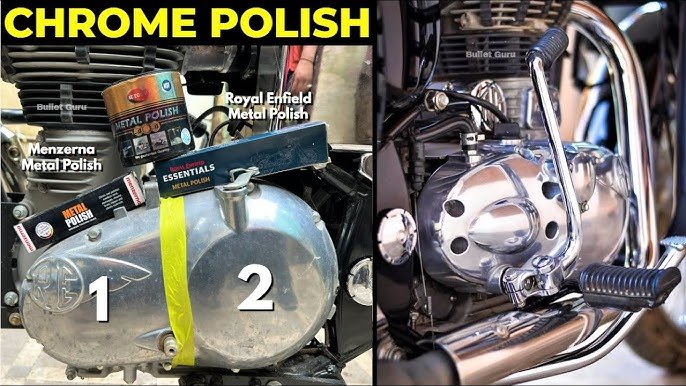
There is something undeniably captivating about the gleam of polished metal. Whether it is the massive chrome bumper on a classic muscle car, the intricate exhaust pipes of a motorcycle, or even the stainless steel trim on a modern kitchen appliance, shiny metal represents cleanliness, care, and luxury. When it is clean, it acts like a mirror, reflecting the world around it and catching the sunlight in a way that paint simply cannot match. It draws the eye and makes the entire object look expensive and well-maintained. However, metal is also one of the hardest materials to keep looking perfect. It is constantly under attack from the elements. Moisture in the air, salt on the roads, and even the oils from our own hands work together to dull that shine. Over time, what was once a brilliant mirror turns into a cloudy, grey, or even rusty eyesore.
Many people look at rusty chrome or dull aluminum and think it is ruined forever. They assume they have to pay hundreds of dollars to have parts re-plated or replaced. But in most cases, this is simply not true. Metal is incredibly resilient. The dullness is usually just on the surface, a layer of oxidation that can be removed with the right techniques and a little bit of elbow grease. Polishing metal is one of the most satisfying maintenance tasks you can do because the results are instant and dramatic. You can take a piece of metal that looks ready for the junkyard and turn it into a piece of jewelry in an afternoon. In this guide, we are going to walk through the art of metal polishing. We will explain how to identify what you are working on, what tools you need, and the step-by-step process to bring that showroom shine back to your life.
Why Chrome and Metal Lose Their Shine
To fix the problem, we first have to understand what the problem is. Why does metal get dull? The primary culprit is a chemical reaction called oxidation. Most metals found on cars and motorcycles are not pure elements; they are alloys or platings. When these metals are exposed to oxygen and moisture, they react. Iron turns into red rust (iron oxide). Aluminum turns into a white, chalky powder (aluminum oxide). Even chrome, which is very hard and resistant, is porous. It has tiny microscopic holes in it. Moisture can travel through these holes and attack the steel underneath, causing rust to bubble up from below.
In addition to chemistry, there is physical damage. Driving down the road blasts the front of your vehicle with sand, dirt, and bugs. This acts like a slow sandblaster, creating millions of tiny scratches that diffuse the light. Instead of bouncing off the metal in a straight line (which looks shiny), the light gets scattered in every direction (which looks dull). Brake dust is another enemy. It is hot and corrosive, and if it sits on your wheels for too long, it will pit the metal, creating tiny craters that are very hard to fix. Understanding that you are fighting both chemical rust and physical scratches helps you realize why you need both a chemical cleaner and a physical abrasive to fix it.
Identifying Your Metal Real Chrome vs Plastic vs Aluminum
Before you pick up a bottle of polish, you must know what you are touching. Using the wrong product on the wrong metal can be a disaster. For example, if you use a heavy-duty metal polish on silver-painted plastic, you will rub the paint right off.
The easiest test is the “Magnet Test.” Take a magnet and stick it to the part. If it sticks strongly, it is likely steel that has been chrome plated. This is “Real Chrome.” It is hard, durable, and can take some aggressive cleaning. If the magnet does not stick, it could be aluminum, stainless steel, or plastic.
To tell the difference between aluminum and plastic, tap it with your fingernail. Plastic makes a dull “thud” sound, while metal makes a high-pitched “ting.” Also, feel the temperature. Metal will feel cold to the touch on a cool day, while plastic will feel relatively warm. Aluminum is usually softer than chrome and oxidizes to a dull grey. Stainless steel is harder and usually has a slight yellow or blue tint compared to the bright blue-white of chrome. Plastic chrome is actually just a thin layer of metal vapor-deposited onto plastic. It is very fragile. You must treat plastic chrome with extreme gentleness, whereas real chrome bumpers can be scrubbed hard. Knowing the difference prevents you from ruining your trim.
The Essential Tools for the Job
You do not need a garage full of expensive power tools to polish metal. In fact, some of the best results come from working by hand. The most important tool in your arsenal is a pile of high-quality microfiber towels. You will need “dirty” towels for the initial cleaning and “clean” plush towels for the final buffing. Do not use old t-shirts or bath towels; they are too rough and will leave swirl marks in your freshly polished surface.
Next, you need the right chemicals. For general cleaning, a simple car wash soap or a degreaser is fine. For the polishing itself, you need a metal polish. There are many brands, but they all generally work the same way: they contain a mild abrasive (like liquid sandpaper) suspended in a chemical solvent. For aluminum, you might want a specific aluminum polish. For chrome, a general chrome polish is best.
There is one secret weapon that every detailer loves for real chrome: “0000” grade steel wool. This is often called “Super Fine” steel wool. It is crucial that you get exactly this grade. Anything coarser (like 00 or 0) will scratch the chrome. But 0000 is softer than the chrome plating but harder than the rust. This means it can scrape the rust off without scratching the shiny surface underneath. It is magic in a bag. Just remember, never use steel wool on plastic chrome or clear-coated aluminum wheels, only on real, hard chrome.
Cleaning Before You Polish
The biggest mistake beginners make is jumping straight to the polish. If your bumper is covered in road grit and mud, and you start rubbing it with a polishing cloth, you are going to grind that dirt into the metal. You will create deep scratches that are much harder to remove than the original dullness.
You must wash the part thoroughly first. Use hot, soapy water and a sponge to remove all the loose dirt. If there is tar or dead bugs stuck to the metal, use a bug and tar remover spray to dissolve them. You want the surface to be squeaky clean to the touch.
If the metal is really rough, you might need to use a “clay bar.” This is a piece of detailing clay that you rub over the wet surface. It pulls embedded contaminants out of the pores of the metal. Run your hand over the metal after washing. If it feels smooth like glass, you are ready to polish. If it feels like sandpaper, keep cleaning. The smoother the surface is before you start polishing, the better the final reflection will be.
The Magic of 0000 Steel Wool for Chrome
Let us talk about fixing rusty chrome. This is a common problem on vintage cars and motorcycles. You see little brown spots or “pitting” all over the bumper. Many people think the chrome is dead, but usually, it is just surface rust sitting on top of the plating.
Take a piece of your 0000 steel wool. Do not use it dry. You need a lubricant. You can use your metal polish as the lubricant, or even just soapy water or glass cleaner. Spray the chrome liberally. Then, gently scrub the rusty spots with the steel wool. You don’t need to press hard; let the wool do the work.
You will see a brown slurry form. This is the rust dissolving. Wipe it away with a microfiber towel and look at the spot. It should be gone, leaving bright chrome behind. The steel wool shears off the peaks of the rust without digging into the hard chrome valleys. This technique can save parts that look hopeless. Just be careful not to touch any painted areas nearby, as the steel wool will absolutely destroy paint instantly. Tape off the surrounding paint with blue painter’s tape to be safe.
Polishing Aluminum and Stainless Steel
Aluminum is different from chrome. Chrome is a plating; aluminum is a solid metal. When you polish aluminum, you are actually removing a microscopic layer of the metal itself to reveal fresh, unoxidized material underneath. This creates a chemical reaction that you need to be prepared for.
When you rub aluminum polish onto bare aluminum, your towel will turn black instantly. This black residue is a mix of aluminum oxide and spent polish. It is messy. If your towel does not turn black, it means the aluminum has a “clear coat” on it (like paint). If it has a clear coat, you cannot polish the metal directly; you treat it like paint. But if it is bare, you want to see that black gunk.
Keep rubbing until the polish starts to turn clear or disappear. This is called “breaking down the abrasives.” Then, take a clean towel and buff off the residue. You might need to do this three or four times to get a mirror finish. Stainless steel is much harder than aluminum. It takes a lot more elbow grease to polish. You basically follow the same process, but expect to be rubbing for a lot longer to get the same result. For stainless steel, machine polishing is often a better choice to save your arms.
Dealing with Plastic Chrome
Modern cars are covered in “Plastic Chrome.” You see it on grilles, badges, door handles, and interior trim. It looks like metal, but it is incredibly delicate. It is a thin layer of metal foil over soft plastic. If you hit this with steel wool, you will scratch it white instantly. If you rub too hard with an aggressive polish, you will rub the silver off completely, revealing the black or white plastic underneath.
Treat plastic chrome like glass. Use a very mild polish or even just a cleaner wax. Apply it gently with a soft foam applicator pad or a microfiber cloth. Do not scrub. You just want to chemically clean the surface oxidation.
If the plastic chrome is peeling or bubbling (which often happens as it ages), there is no way to fix it. You cannot glue the plating back down. Once it starts to peel, the sharp edges can actually cut your fingers. At that point, your only option is to replace the part or sand it down completely and paint it black. Prevention is key here; keep it waxed and clean so it doesn’t start peeling in the first place.
The Elbow Grease Factor vs Machine Polishing
Polishing by hand is great for small parts or intricate areas, but if you are doing a set of four large aluminum wheels or a giant fuel tank on a semi-truck, your arm will fall off before you finish. This is where power tools come in.
You can buy polishing attachments for your standard household drill. The most common is a “Polishing Ball” or “Cone.” This is a foam or felt ball on a metal stick. You stick it in your drill, put some polish on the ball, and pull the trigger. The ball spins at high speed, doing the scrubbing for you.
These tools are fantastic for getting into tight spaces between wheel spokes. However, be careful with speed. Friction creates heat. If you spin the ball too fast in one spot, you can get the metal so hot that it burns the polish or even warps the part. Keep the tool moving constantly. Also, be aware that these tools fling polish everywhere. You will have black speckles on your shirt, your face, and the wall. Wear old clothes and eye protection. The mess is worth it, though, because a machine polish can achieve a level of brilliance that is almost impossible to get by hand.
Protecting Your Hard Work
So, you have spent three hours scrubbing, sanding, and polishing. Your bumper looks like a mirror. You are exhausted but happy. Do not stop now! If you leave that fresh, naked metal exposed to the air, it will start to oxidize immediately. Within two weeks, it will look dull again. You must seal the surface.
You need a barrier between the metal and the atmosphere. For chrome, a good quality carnauba wax or synthetic sealant works well. Apply it just like you would on paint: wipe it on, let it haze, and wipe it off. This fills those microscopic pores we talked about and stops water from getting in.
For aluminum, there are specific metal sealants available that are designed to bond to the oily surface of the metal. Some metal polishes are “All-in-One” products, meaning they contain a sealant mixed in with the abrasive. These are convenient, but a dedicated sealant usually lasts longer. If you live in a rainy climate or near the ocean, you might need to re-apply this protection once a month. It takes five minutes to wax a bumper, but it saves you from having to spend hours polishing it again next season.
Conclusion The Satisfaction of the Shine
There is a reason why we are drawn to shiny things. A polished vehicle looks cared for. It signals that the owner takes pride in their possession. But beyond the vanity, polishing is maintenance. By removing the rust and sealing the surface, you are physically extending the life of the part. You are preventing the structural damage that comes from corrosion.
The process of polishing is almost meditative. You take a section of dull, neglected metal, and with a repetitive motion, you transform it. You see the progress instantly. You see your own reflection becoming clearer and clearer in the surface you are working on. It is honest work with a tangible reward.
So, go out to your garage or your driveway. Find that dull exhaust tip, that rusty bicycle fender, or that cloudy grille. Grab a rag and some polish. Give it a little bit of love. You might be surprised at the jewel hiding underneath that grime. When you stand back and see the sun gleaming off that surface, you will know that the effort was absolutely worth it. The shine is not just on the car; it is a reflection of your hard work.