
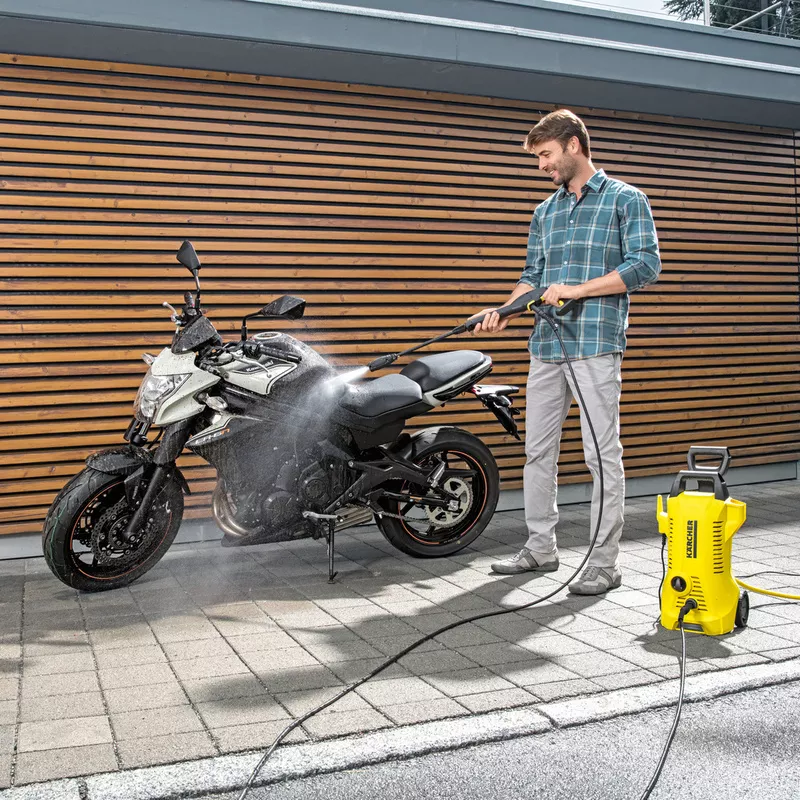
There is a special bond between a rider and their bike. Whether you ride a powerful motorcycle that roars down the highway or a sleek bicycle that cuts through the city traffic, your machine is more than just a tool. It is your partner. It represents freedom, adventure, and style. But unlike a car, which is basically a sealed metal box, a bike is exposed. The engine, the suspension, the chain, and the frame are all out in the open, battling the elements every time you ride. They get hit with rain, mud, road salt, dead bugs, and oily exhaust fumes. If you let that grime sit there, it does not just look bad; it slowly destroys your bike. Rust eats the metal, grit grinds down the moving parts, and the paint loses its sparkle.
Many people think that cleaning a bike is a chore. They grab a hose, spray it down for two minutes, and call it a day. But a true wash—a real detail—is something different. It is a ritual. It is a chance to inspect every inch of your machine, to find loose bolts or leaking seals before they become problems. It is a way to say “thank you” to the machine that keeps you safe. And let’s be honest, there is no better feeling than rolling up to a stoplight on a bike that looks brand new, gleaming in the sun. In this guide, we are going to walk through the art of exterior bike cleaning. We will break it down into simple, easy steps that anyone can follow, turning a dirty weekend job into a satisfying afternoon project.
Preparation Is Key Gathering the Right Tools for the Job
Before you spray a single drop of water, you need to get ready. The biggest mistake people make is rushing. They start washing with a hot engine, or they use the wrong soap, or they realize halfway through that they don’t have a towel. This leads to scratches and water spots. So, first things first: find a shady spot. Never wash your bike in direct sunlight. The sun will dry the soap and water onto the paint faster than you can wipe it off, leaving behind stubborn spots that are a nightmare to remove.
Next, gather your arsenal. You don’t need expensive professional equipment, but you do need the basics. Get two buckets. One for soapy water, one for rinse water. Get a high-quality car wash shampoo (do not use dish soap, as it strips away protective wax). You will need a variety of brushes. A bike has a lot of tight spaces, so a big sponge won’t reach everything. Get a soft wash mitt for the paint, a stiff brush for the tires, and maybe an old toothbrush or a specialized detailing brush for the engine fins and the chain. Finally, get a stack of microfiber towels. These are softer than cotton and won’t scratch your delicate paint.
Most importantly, make sure the bike is cool to the touch. If you just got back from a ride, the engine and the exhaust pipes are incredibly hot. If you spray cold water on hot metal, the thermal shock can crack the metal or ruin the chrome plating. Park the bike, go have a cold drink, and wait for the engine to cool down completely. This patience will save you from expensive repairs later.
The Pre-Wash Stage Removing the Heavy Grime Safely
Once the bike is cool and your buckets are ready, do not touch the paint with a sponge yet. If you rub a sponge over a dirty bike, you are just grinding sand into the paint. You need to remove the loose dirt first.
Start with a gentle rinse. Use a hose with a spray nozzle set to “shower” or “mist.” Do not use a high-pressure power washer if you can avoid it. Power washers are great for driveways, but on a bike, they can force water past the rubber seals in your wheel bearings, your chain, and your electronics. This causes rust from the inside out. A gentle stream of water is safer.
Spray the whole bike from top to bottom. Focus on the areas where bugs smash into the front: the headlight, the mirrors, and the front of the tank. If the bugs are baked on, do not scrub them yet. Spray a “bug and tar remover” or just soak a paper towel in soapy water and lay it over the bugs like a wet compress. Let it sit for five minutes. This rehydrates the dried bugs, making them soft and easy to wipe away later. This step is all about softening the dirt so it lifts off gently without scratching.
Tackling the Wheels and Tires First
The wheels are usually the dirtiest part of any bike. They live close to the ground, so they get covered in road tar and mud. Plus, they are covered in brake dust, which is a dark, corrosive powder that comes off your brake pads. If you wash the body of the bike first and then do the wheels, you will inevitably splash black brake dust onto your clean white paint. Always start at the bottom.
Spray a dedicated wheel cleaner on the rims and the spokes. If you have wire spokes, this is going to be tedious, but it is worth it. Use a round bottle brush to get in between the spokes and scrub the hub. For cast aluminum wheels, a soft mitt works well.
Don’t forget the tires. Tires turn brown over time because of “blooming,” which is a chemical reaction in the rubber. Use a stiff brush and scrub the sidewalls of the tires until the suds turn white (they will be brown at first). Clean tires look blacker and provide a better contrast to the shiny rims. Rinse the wheels thoroughly before moving on. Be very careful not to get tire shine or wax on the tread of the tires. You need that rubber to be sticky for grip. If the tread is slippery, you could crash in the first corner.
Deep Cleaning the Chain and Drivetrain
If you have a motorcycle with a chain drive, or a bicycle, this is the messiest part of the job. The chain is covered in sticky grease that attracts dirt like a magnet. This gritty paste acts like sandpaper, wearing out your chain and sprockets much faster than normal.
You need a degreaser. You can buy a specific chain cleaner spray, or use kerosene (which is cheap and safe for the rubber O-rings in the chain). Put a piece of cardboard behind the chain to protect the wheel and the tire from the spray. Soak the chain in degreaser.
Use a “grunge brush”—a three-sided brush designed to clean three sides of the chain at once—to scrub the links. You will see black sludge dripping off. This is good. It means the old, dirty grease is leaving. Rotate the rear wheel by hand (never use the engine to spin the wheel while your fingers are near it!) to reach the whole length of the chain. Rinse it gently with water. The chain should look metallic silver or gold again, not black. Do not lube it yet; we need it to be dry first.
The Contact Wash Using the Two Bucket Method
Now that the nasty parts are clean, it is time for the glamour muscles: the gas tank, the fenders, and the fairings. This is where the “Two-Bucket Method” keeps your paint safe. Fill one bucket with soapy water and one with plain water.
Dip your soft microfiber wash mitt into the soapy water. Wash one panel, like the gas tank. Be gentle. Let the soap do the work. Then, before you get more soap, dunk the dirty mitt into the plain water bucket. Shake it out. You will see the dirt fall to the bottom. Now your mitt is clean again. Dip it back into the soap and move to the next panel.
This ensures you are never rubbing dirt from the fender onto the tank. Wash from the top down. Gravity helps pull the dirt away. Be careful around the handlebars and the instrument cluster. Modern bikes have a lot of electronics, screens, and switches. They are water-resistant, not waterproof. Do not blast water directly into the ignition switch or the charging ports. Just wipe them with a damp cloth/sponge. If you have a windshield, wash it in straight lines, not circles. Circular washing creates swirl marks that catch the sun and can blind you while riding.
Cleaning the Engine and Tight Spaces
The engine is the heart of the bike, and on many bikes, it is exposed for the world to see. It is also full of cooling fins, bolts, and deep crevices where dirt loves to hide. A wash mitt is too big to fit in here.
This is where your variety of small brushes comes in handy. An old paintbrush or a specialized detailing brush is perfect. Spray some diluted all-purpose cleaner or degreaser onto the engine (make sure it is cold!). Use the brush to agitate the dirt in between the cooling fins.
Pay attention to the front of the engine, right behind the front wheel. This area gets blasted with road spray and is often caked in mud. You might need a stiffer brush here. Be gentle around rubber hoses and electrical wires. You don’t want to unplug a sensor by accident. Rinse the engine gently with a low-pressure stream of water. Seeing the water bead off a clean, black engine block is incredibly satisfying.
The Art of Drying Avoiding Water Spots
You have rinsed the soap off, and the bike looks beautiful and wet. You might be tempted to just walk away and let the sun dry it. Do not do this. Tap water contains minerals like calcium and magnesium. When the water evaporates, it leaves these minerals behind as hard, white “water spots.” These spots can etch into the paint and are very hard to remove.
You need to dry the bike immediately. Use a large, clean microfiber drying towel or a chamois. Lay the towel flat on the wet surface and pat it dry. Do not drag it aggressively.
The tricky part with bikes is that water hides everywhere. It sits in the bolt heads, inside the mirrors, and under the gas cap. As soon as you ride away, the wind will blow this hidden water out, leaving streaks all over your clean bike. To fix this, use air. If you have a leaf blower or a shop vac with a “blow” setting, use it to blast the water out of the cracks. It works like magic. You will see streams of water flying out of places you couldn’t reach with a towel. If you don’t have a blower, you can just bounce the bike gently on its suspension to shake the water loose, then wipe it down again.
Polishing and Waxing for a Showroom Shine
Now that the bike is clean and dry, it is time to protect it. Paint is porous. If you look at it under a microscope, it looks like a sponge. Dirt and UV rays get into these pores and make the paint look dull and faded. Wax fills these pores, creating a smooth, shiny shield.
If your paint has light scratches or swirl marks, you might want to use a “polish” first. Polish is slightly abrasive. You rub it in circles, and it removes a microscopic layer of clear coat to smooth out the scratches. It restores the deep color.
After polishing, apply a coat of high-quality carnauba wax or a synthetic sealant. Apply it with a foam applicator pad. Let it dry to a haze (usually takes about ten minutes), and then buff it off with a clean, dry microfiber towel. Do not get wax on black plastic trim or matte paint, as it will leave white stains that are hard to remove. If you have a matte (flat) paint job, do not use standard wax or polish! It will make the matte finish shiny and ruin the look. Use a specific “matte paint sealer” designed for that finish.
Restoring Black Plastic and Leather
Bikes have a lot of plastic and rubber: the turn signals, the mudguard, the instrument housing, and the seat. Over time, the sun bleaches these black parts, turning them a sad, chalky grey.
You can restore them with a “plastic trim restorer.” These are silicone or ceramic-based liquids that soak into the plastic and darken it. Wipe it on with a sponge, let it soak in, and wipe off the excess. It makes the bike look five years younger instantly.
For the seat, use a dedicated vinyl or leather conditioner. This keeps the material soft and prevents it from cracking in the sun. However, be very careful which product you use. Do not use a greasy, shiny dressing like you would on a car dashboard. If your seat is slippery, you will slide around while riding. When you hit the brakes, you will slide into the tank. When you accelerate, you will slide off the back. Look for a “non-slip” seat conditioner or a matte-finish leather balm. Safety comes first.
Lubrication The Final Step
You have used a lot of water and soap, and some of that has likely washed away the lubrication on the moving parts. If you put the bike away wet and un-lubed, it will rust.
Go back to that chain we cleaned earlier. It should be dry now. Apply a high-quality motorcycle chain lube (wax or spray). Aim the nozzle at the inside of the chain (the part touching the sprockets) and spin the wheel slowly. You want the lube to penetrate the rollers. Wipe off any excess lube so it doesn’t fling onto your rear tire.
Also, take a minute to lubricate the pivot points. Put a drop of oil on the kickstand hinge, the brake lever pivot, the clutch lever pivot, and the footpegs. This keeps them moving smoothly and stops them from squeaking. A stiff kickstand is annoying, but a stiff brake lever is dangerous. A tiny drop of oil makes everything feel crisp and mechanical again.
Conclusion The Ride After the Wash
Stand back and look at your work. The paint should be reflecting the sky. The chrome should be acting like a mirror. The engine should be black and crisp. The bike looks fast, even when it is standing still.
Cleaning your bike is about more than just vanity. It is maintenance. By washing it, you have removed the corrosive salt and the scratching dust. You have lubricated the chain and the pivots. You have inspected the tires and the bolts. You have extended the life of your machine.
But the best reward is the next ride. When you hop on a clean bike, it just feels different. It feels smoother. It feels lighter. You feel a sense of pride as you roll through town. You are not just a rider; you are a caretaker of a beautiful machine. So, put your buckets away, dry your hands, put on your helmet, and go enjoy the ride. You earned it.