When you buy a new bike or car, the first thing most people do is start thinking about how to make it their own. A new exhaust here, a set of auxiliary lights there, maybe some custom mirrors, a tank pad, or a phone mount. Aftermarket accessories are how riders and drivers put their personality into their vehicles. They improve comfort, boost performance, enhance looks, or simply make daily use more convenient.
But here’s something that doesn’t get talked about nearly enough. Buying aftermarket accessories is the easy part. Taking care of them properly so they last long, keep working well, and continue looking good is where most people fall short. And when accessories start to look worn, stop working correctly, or worse, cause damage to your vehicle, it’s almost always because of poor maintenance rather than poor quality.
This blog is going to change that. Whether you’ve spent a little or a lot on your aftermarket setup, proper care will protect that investment and keep everything working the way it should. We’re going to go through every major category of aftermarket accessories from lights to exhausts to phone mounts to seat covers and explain in simple language how to clean, maintain, and care for each one. No complicated technical language, no unnecessary jargon. Just practical, honest advice from someone who’s made the mistakes so you don’t have to.
Why Aftermarket Accessory Care Matters More Than You Think
Before we get into the specifics, let’s talk about why this matters. Some people think that once an accessory is bolted on or fitted, it takes care of itself. That’s unfortunately not how it works.
Aftermarket accessories face everything your vehicle faces heat, rain, dust, UV rays, vibration, and road grime. In many cases, they actually face more abuse than the original parts because they weren’t necessarily engineered with the same level of protection built in. A stock part from Honda or Bajaj has been tested extensively for the conditions your bike will encounter. An aftermarket part from a third-party brand may or may not have been put through the same rigour.
This doesn’t mean aftermarket parts are bad many are excellent, and some are genuinely better than stock. It just means they need attention. Regular cleaning, periodic checks, and proper handling will extend the life of your accessories dramatically. Neglect, on the other hand, turns a good accessory into a problem surprisingly fast.
Beyond longevity, there’s safety to consider. Accessories like crash guards, auxiliary lights, and phone mounts need to be securely attached and in good condition to do their jobs. A phone mount that’s been ignored for two years might look fine from a distance but have degraded clips that release at the first pothole. A crash guard with loose bolts doesn’t protect the way it should. Caring for your accessories is partly about looks, but it’s also about making sure they actually function when you need them to.
Caring for Auxiliary Lights and Electrical Accessories
Auxiliary lights fog lights, LED driving lights, accent lighting are one of the most popular aftermarket additions for motorcycles and cars alike. They improve visibility and give the vehicle a distinctive look. But they’re also one of the accessories that people most often neglect once fitted.
The first thing to understand about auxiliary lights is that their connections are their most vulnerable point. Vibration from riding gradually loosens electrical connections over time. Water and dust get into connectors that weren’t sealed properly. Corrosion builds up on terminals and eventually causes flickering, dimming, or complete failure.
The way to prevent this is simple. Every few months or after any long ride through rain or mud check your auxiliary light connections. Look for any signs of corrosion (a whitish or greenish buildup on metal contacts). If you see it, disconnect the connector, clean the contacts gently with a dry cotton cloth or a very small amount of electrical contact cleaner, and reconnect firmly. Use dielectric grease on connectors to prevent future moisture entry. It’s cheap, it’s easy to find at any automotive shop, and it makes a significant difference in connection longevity.
For the light lenses themselves, clean them regularly with a soft, damp cloth. Avoid harsh chemical cleaners on plastic lenses they cloud the surface over time. If your lenses are already slightly yellowed or hazed, a plastic polish product can restore a lot of clarity. LED lights themselves rarely fail, but the housings can deteriorate if they’re cracked and water gets inside. Check the seal around the lens periodically and address any cracks before they become a bigger problem.
For wiring that runs exposed along the frame or under the tank, check that the cable ties or clamps holding the wires are still in good condition and that the wires haven’t been rubbing against anything. Wires that rub against metal edges will eventually have their insulation worn through, creating short circuits or fire risks. Reroute any wires that look like they’re in contact with moving parts or sharp edges.
Exhaust System Care: Keeping It Looking and Sounding Great
An aftermarket exhaust is one of the most satisfying upgrades you can make to a motorcycle. The change in sound, the weight saving, and the visual impact are all significant. But exhausts particularly polished stainless steel or chrome ones need regular attention to keep looking the way they did when you first fitted them.
Heat is the main enemy of exhaust finishes. Every time you ride, the exhaust system reaches very high temperatures, and as it cools, any moisture, oil, or road grime that’s on the surface gets baked on. Over time, this creates discolouration, staining, and in the case of chrome, pitting and rust.
The best practice is to clean your exhaust after every long ride, once it has completely cooled down. Never clean a hot exhaust you risk burning yourself and the cleaning products can damage the surface when applied to extreme heat. Once cool, wipe down the pipe with a dry microfiber cloth first to remove loose dust and debris. Then use a dedicated metal polish appropriate for your exhaust material chrome polish for chrome, stainless steel cleaner for stainless, or a heat-resistant ceramic coating product if your exhaust has that finish.
For carbon fibre exhaust cans, which are increasingly common on aftermarket systems, use a mild soapy water solution and a soft cloth. Carbon fibre is light and looks stunning but it can be scratched by abrasive cleaners. Avoid polishes that contain abrasives and never use steel wool or rough sponges on carbon.
Blue discolouration near the headers is normal and is caused by heat it doesn’t mean something is wrong. Many riders actually like this look. If you want to minimize it, using a heat-resistant coating on that section of the pipe before fitting helps. Once the blue tint is there, specialized metal cleaners can reduce it somewhat but won’t eliminate it entirely.
Check your exhaust mounting points every few months. The bolts and springs that hold aftermarket exhausts in place are subject to constant vibration and heat cycles. Loose mounting leads to rattles and, eventually, the exhaust moving in ways it shouldn’t. Tighten any loose fasteners and replace any springs that look stretched or weakened.
Tank Pads and Frame Sliders: Simple but Important
Tank pads are one of the most popular and affordable aftermarket accessories for motorcycles. They protect the tank from scratches caused by jacket zippers, belt buckles, and general contact. Frame sliders protect the engine and frame in the event of a tip-over.
Tank pads are almost entirely maintenance-free, but they do need occasional attention. The adhesive backing that holds them to the tank can lift at the edges over time particularly after washing or in very hot weather. If you notice the edges beginning to peel, press them back down firmly while the tank is warm (mild warmth from sun exposure is enough to reactivate the adhesive slightly). For pads that have fully lifted, clean the tank surface with isopropyl alcohol, let it dry completely, and re-stick with a small amount of additional adhesive if needed.
Clean tank pads the same way you clean your tank a mild soap and water solution and a soft cloth. Don’t use harsh solvents on them as these can degrade the material and the adhesive underneath.
Frame sliders are passive safety devices they just sit there until needed. But they still need periodic checks. Make sure the mounting bolts are tight. Check that the slider pucks themselves the cylindrical pieces of plastic or nylon that actually contact the ground in a fall aren’t cracked, excessively worn, or loose. If you have had a tip-over, inspect the sliders carefully. The pucks often need replacement after a slide because they may have worn unevenly or cracked, making them less effective next time.
Handlebar Accessories: Grips, Bar Ends, and Phone Mounts
The handlebars are probably the most accessorised part of a motorcycle, and keeping everything there in good shape is important both for comfort and safety.
Aftermarket grips wear out faster than most people expect. The rubber or foam material degrades with UV exposure, heat, and the constant pressure of your hands. Hardened, cracked, or slippery grips are a safety issue — they reduce your control of the bike and become particularly dangerous in wet conditions. Inspect your grips regularly and replace them when you feel the texture has become smooth or the material has hardened significantly. Grips are inexpensive and easy to replace this is not a place to delay.
Cleaning grips is simple. Use a mild soap and water solution and a soft brush to work out dirt that gets into the texture. Avoid petroleum-based cleaners as these accelerate rubber degradation. After cleaning, let them dry fully before riding.
Bar end weights those cylindrical weights fitted at the ends of the handlebars reduce vibration at the grips. But they can work loose over time, particularly on bikes that vibrate significantly. A bar end that comes loose while riding is a serious hazard. Check that yours are firmly attached and re-tighten as needed.
Phone mounts deserve particular attention because they’re holding something expensive and because a failure means your phone hits the road. Check the mount’s clamping mechanism and the arm’s tightness every few weeks. Look for any cracking in the plastic components, especially if your mount has been exposed to intense sun. UV degradation in cheap plastic phone mounts happens faster than you’d think. If there’s any doubt about the mount’s integrity, replace it. The cost of a new mount is nothing compared to the cost of a dropped phone or the distraction of a phone falling mid-ride.
Seat Covers and Comfort Accessories
Aftermarket seat covers and seat pads are popular upgrades for riders who spend long hours on their bikes. A good seat cover adds grip, reduces heat buildup, and can significantly improve comfort on long rides.
Leather and synthetic leather seat covers need regular conditioning to prevent cracking. Use a leather conditioner product every couple of months it keeps the material supple and prevents the drying and cracking that come from constant exposure to sun and heat. Clean leather seat covers with a damp cloth and a small amount of mild soap, then apply conditioner once dry.
Mesh seat covers the type with an air gap that allows airflow are low maintenance but attract dirt and debris into the mesh structure. Clean them regularly with a soft brush and water to clear out any grime that’s collected in the mesh. Debris trapped in the mesh can create pressure points over time.
Foam seat pads, which are often used for long-distance comfort, should be stored dry. If they get wet from rain or washing allow them to dry completely before using them again. Foam that stays damp develops an unpleasant odour and can degrade faster.
Check the attachment system of your seat cover or pad regularly. Straps that go under the seat, velcro attachments, or elastic bands can loosen or degrade over time. A seat cover that shifts while you’re riding is distracting and uncomfortable. Tighten, readjust, or replace the attachment system before it becomes a problem.
Luggage: Saddlebags, Tank Bags, and Tail Packs
Aftermarket luggage is essential for touring riders and convenient for everyday commuters. Saddlebags, tank bags, and tail packs take a lot of abuse they’re exposed to rain, road spray, UV, and the constant wear of being mounted and unmounted repeatedly.
Waterproofing is the biggest concern with soft luggage. Most aftermarket bags claim water resistance, but that resistance degrades over time. Re-treat your bags with a water repellent spray product every season, or more frequently if you ride through rain often. Pay special attention to seams, where water tends to penetrate first. Many riders also use dry bags or waterproof liners inside their main bags as an extra layer of protection for electronics and documents.
Clean soft luggage bags with a mild detergent and a soft brush, paying attention to zippers and buckles where grime accumulates. Lubricate zippers with a zipper lubricant a product made for this purpose. Dry zippers that are forced open or closed will eventually fail, often at the worst possible moment.
Hard luggage aluminium panniers and top cases is more durable but still needs attention. The locking mechanisms should be lubricated periodically to prevent seizing. Check the mounting system to ensure it’s secure, and inspect the seals around the lids these rubber seals degrade over time and a deteriorated seal means water gets into your bags. Replacement seals are usually available from the manufacturer and are inexpensive.
Windscreens and Wind Deflectors
An aftermarket windscreen can make a dramatic difference to comfort on long rides, reducing wind fatigue significantly. But windscreens are vulnerable to scratching and yellowing if not cared for properly.
Never wipe a dry windscreen with a dry cloth. Even dust particles can scratch acrylic and polycarbonate screens when dragged across a dry surface. Always rinse the screen with water first to remove loose dust before wiping. Use a clean, soft microfiber cloth and a dedicated plastic cleaner or a mild soap solution.
For scratches that have already appeared, a plastic polish product can reduce their visibility significantly. Deep scratches can’t be fully removed, but lighter surface scratches respond well to polishing. Apply the polish in small circular motions and buff out with a clean cloth.
Avoid parking in direct sunlight for extended periods when possible. UV exposure is the main cause of yellowing in acrylic screens. If you can’t avoid it, a UV protectant spray applied regularly will slow the yellowing process.
Check the mounting brackets and screws periodically. A loose windscreen vibrates at speed and can eventually crack at the mounting points from the stress. Keep the fasteners snug and use thread-locking compound if you find they keep loosening.
Crash Guards and Protective Accessories
Crash guards, engine guards, and knuckle guards are all about protection and they need to be in good condition to provide that protection effectively.
The most important maintenance task for crash guards is keeping the mounting hardware tight. These parts are specifically designed to absorb impact, and they can only do that if they’re solidly attached. Check all bolts every few months and after any ride on particularly rough terrain. Use a torque wrench if you want to be precise, or at minimum ensure that nothing can be turned by hand.
Inspect the guards themselves for any cracks or bends. A guard that’s been stressed whether from a drop or from taking a hit may have internal weaknesses that aren’t visible on the surface. If your crash guard has been impacted in any meaningful way, it’s worth replacing it rather than relying on a compromised piece of safety equipment.
Chrome and Metal Accessories
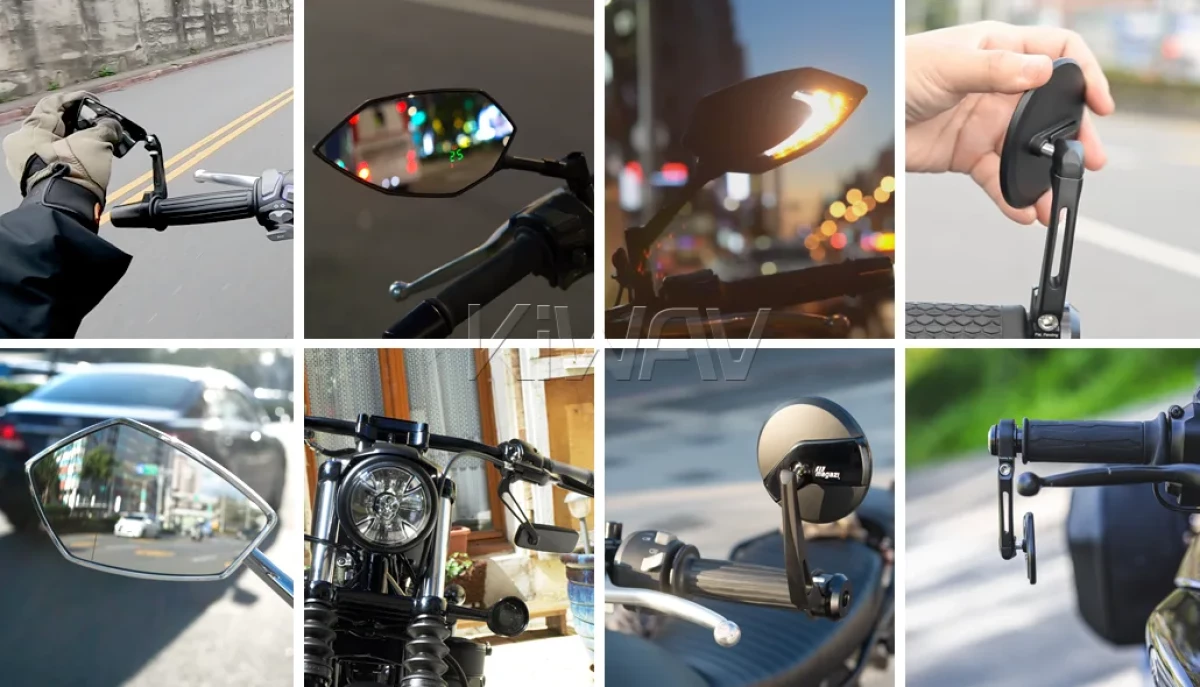
Chrome accessories mirrors, levers, brackets, and decorative covers add a classic look to any motorcycle, but they need regular attention to stay looking their best.
Chrome is actually a very thin coating over a base metal, and once that coating is compromised by rust spots or pitting, the damage spreads underneath. The way to prevent this is simple: wipe chrome surfaces dry after every ride in wet conditions and apply a thin coat of chrome polish regularly. This creates a barrier against moisture and prevents the oxidation that leads to rust.
For chrome that’s already showing rust spots, a chrome cleaner with mild abrasive action can address early-stage rust. More significant pitting often means replating is needed, which is expensive prevention is far more practical.
Metal accessories that aren’t chrome raw aluminium levers, steel footpegs, or anodised parts each have their own care requirements. Aluminium can oxidise to a dull white appearance if left untreated; a metal polish or anodising protectant keeps it looking right. Steel parts in exposed positions should be checked for rust formation and treated with a rust inhibitor if needed.
General Tips That Apply to Everything
Beyond the specific care for each type of accessory, a few general habits will serve you well across the board.
Regular cleaning is the foundation of everything. A bike or car that’s washed and wiped down regularly gives you the chance to spot problems early a connector that’s corroding, a bolt that’s working loose, a seal that’s cracking. Problems spotted early are cheap and easy to fix. Problems discovered after months of neglect are often much more serious and expensive.
Use the right products for each surface. Harsh chemical cleaners applied to the wrong surface can do more damage than no cleaning at all. Keep a small collection of appropriate cleaning and maintenance products a plastic cleaner, a metal polish, a leather conditioner, a contact cleaner, and a general purpose lubricant and use each one only where it’s appropriate.
After any long ride through rain or dusty conditions, give your accessories a quick inspection before putting the bike away. Five minutes of attention after a wet ride wiping down chrome, checking electrical connections, drying off leather prevents the kind of cumulative damage that builds up when water and dirt sit on surfaces for days at a time.
Keep a simple maintenance log if you’re the type of person who tends to forget when you last did something. A note on your phone with dates for when you last polished your exhaust, treated your luggage waterproofing, or checked your phone mount is enough. It takes thirty seconds to update and saves you the guesswork.
Finally, invest in quality accessories to begin with wherever your budget allows. Better quality materials respond better to care and last longer even with moderate attention. A cheap phone mount that cracks after three months in the sun isn’t made any better by careful cleaning. The best accessories are the ones you fit once and maintain well for years.
Taking Care of Your Accessories Is Taking Care of Your Ride
Your aftermarket accessories are an expression of who you are as a rider. They make your vehicle more you. They improve your comfort, your safety, or your enjoyment of riding. They’re worth the attention it takes to keep them in good condition.
The good news is that accessory care isn’t complicated. It doesn’t require expensive tools or technical knowledge. It just requires regular attention, the right cleaning products, and a habit of checking on things before small issues become big ones.
Start with whatever accessories you have right now. Give them a proper clean and inspection this week. Fix anything that needs fixing. Set yourself a reminder to do a proper check every month. Build that habit, and your accessories will serve you well for years to come.
The best-looking bikes on the road aren’t always the newest ones or the most expensive ones. They’re the ones that are clearly cared for where every accessory is clean, every fitting is tight, and every detail reflects the pride the rider takes in their machine. That’s achievable for anyone, at any budget, with any set of accessories.