
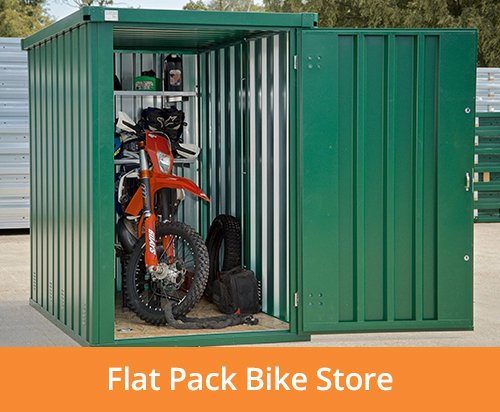
There comes a time in every rider’s life when they have to say goodbye to their machine for a little while. Maybe the winter snow is starting to fall and the roads are getting salty. Maybe you are going on a long overseas trip for work. Or maybe life just got busy and you know you won’t be able to ride for a few months. Whatever the reason, parking your bike for a long period is not as simple as just turning off the key and walking away. A motorcycle is a machine meant to move. When it sits still, gravity, chemistry, and moisture start to work against it. Fluids break down, rubber gets hard, and rust begins to creep into the metal.
We have all heard the horror stories. Someone parks a perfectly good bike in November, and when they try to start it in April, it is a disaster. The battery is dead, the carburetor is gummed up with old fuel, the tires are square, and there is a mouse nest in the air filter. It turns a happy reunion into an expensive repair bill. But it does not have to be this way. With a little bit of preparation and the right knowledge, you can put your bike into a state of suspended animation. You can freeze it in time so that when you come back, it is exactly as perfect as you left it. This guide is going to walk you through every single step of long-term storage. We will use simple, plain English to explain not just what to do, but why you are doing it, ensuring your bike wakes up from its hibernation ready to roar.
The Deep Clean Why You Must Wash Before You Park
The very first step in storage happens before you even touch a tool. You need to wash the bike. This might seem counterintuitive. Why wash it if it is just going to sit in a garage under a cover? The answer is protection. When you ride, your bike picks up road grime, dead bugs, bird droppings, and invisible pollutants. If you live near the ocean, it picks up salt spray. If you ride in winter, it picks up road salt.
All of these things are corrosive. Bird droppings are acidic and will etch into your paint if left for months. Road salt eats aluminum and rusts steel. Dust attracts moisture, which holds water against the metal parts, causing rust. You need to strip all of this off. Give the bike a thorough detail. Use a high-quality car wash soap and a soft mitt. Scrub the chain to remove the old, dirty grease. Clean the brake calipers to get the brake dust off.
Once it is clean, the most critical part is drying it. You cannot store a wet bike. Water sitting in the nooks and crannies will cause mold and corrosion. Use a leaf blower or an air compressor to blast the water out of the bolt heads, the engine fins, and the electrical switches. Take the bike for a short ride around the block to let the engine heat dry off the hidden moisture. Once it is bone dry, apply a heavy coat of high-quality wax to the painted parts. This wax acts like a seal, keeping moisture and oxygen away from the paint while it sleeps.
The Fuel System Conundrum To Drain or To Fill
Fuel is the biggest headache in long-term storage. Modern gasoline contains ethanol (usually corn alcohol). Ethanol is “hygroscopic,” which is a fancy word meaning it attracts water. If you leave a cup of gas sitting out, it will absorb moisture from the air. In a fuel tank, this water separates from the gas and sinks to the bottom. This water rusts the inside of your steel tank and clogs up your fuel pump.
So, what should you do? You have two options. The first option is to drain the tank completely. This is the best method if you are storing the bike for a very long time (more than a year). You siphon out the gas and then run the engine until it dies. This leaves the system dry. However, this is difficult to do on modern fuel-injected bikes, and a dry steel tank can flash-rust on the inside if air gets in.
The second option, and the one recommended for most winter storage (3 to 6 months), is to fill it to the brim. Go to a gas station and fill the tank with premium fuel (which often has less ethanol). Add a bottle of “Fuel Stabilizer” to the tank. This is a chemical that prevents the fuel from breaking down and oxidizing. It keeps the gas fresh for up to 12 months. Fill the tank until it is almost overflowing. If the tank is full of liquid, there is no room for air. If there is no air, there is no moisture to condense. After filling and adding stabilizer, ride the bike for 10 minutes. This ensures the stabilized fuel flows through the fuel lines and into the injectors or carburetor, protecting the entire system, not just the tank.
Fresh Oil for a Long Sleep Protecting the Engine Internals
You might think, “My oil only has 1,000 miles on it, I don’t need to change it.” Think again. Engine oil does more than lubricate; it cleans. As you ride, the oil picks up byproducts of combustion—carbon, sulfur, and acids. Old oil is slightly acidic.
If you leave used oil sitting in your engine for five months, those acids sit against the metal bearings and cylinder walls. Over time, this can cause microscopic etching and corrosion. It is like leaving dirty dishwater in the sink; it stains the metal. You want your engine to sleep in a bath of fresh, clean, pH-neutral oil.
Change the oil and the filter right before you put the bike away. Do this while the engine is warm (after your short ride to circulate the fuel stabilizer). Warm oil drains faster and carries more of the dirt out with it. Put in the fresh oil and run the engine for a minute to circulate it. Now, the internal parts are coated in clean protection. This simple step is one of the cheapest ways to extend the life of your engine. It ensures that when you start it up in spring, the very first turn of the crank is lubricated by high-quality oil, not sludge.
Battery Life Support preventing the Click of Death
Batteries hate sitting still. A lead-acid battery naturally discharges over time, even if it is not connected to anything. This is called “self-discharge.” If the battery is left connected to the bike, it drains even faster because of the “parasitic draw” from the clock, the alarm system, and the computer memory.
If a battery drains to zero voltage and sits there in the cold, a chemical process called “sulfation” occurs. Crystals form on the lead plates inside the battery. Once these crystals harden, they are impossible to remove. The battery is dead forever. You cannot jump-start it back to health.
To save your battery, you need a “smart charger” or a “battery tender.” Do not use a standard car charger, which pumps too much current and can boil the battery acid. A smart charger monitors the voltage. It charges the battery to 100% and then turns off. When the battery drops a tiny bit, it turns back on. It “floats” the battery at a perfect level. If you have power in your garage, you can install a “pigtail” lead onto your battery terminals and just plug the charger in. If you park in a shed without power, remove the battery from the bike and take it inside your house. Store it in a cool, dry place hooked up to the tender. A warm battery is a happy battery.
Tyre Care Avoiding the Dreaded Flat Spots
Tyres are made of rubber, which is a flexible material. When you park your bike, the entire weight of the machine—maybe 400 or 500 pounds—is pressing down on two tiny patches of rubber. If the bike does not move for months, the rubber in that contact patch gets compressed permanently. This is called a “flat spot.”
When you finally ride the bike again, you will feel a rhythmic thumping vibration. It feels like riding on square wheels. Sometimes, the tires will round out after a few miles of heat, but often, the damage is permanent, and you have to buy new tires.
The best way to prevent this is to get the tires off the ground. If your bike has a center stand, use it. This lifts the rear wheel. Place a block of wood or a jack under the engine to lift the front wheel. If you have paddock stands (front and rear), use them. Suspension hangs freely, and tires are safe.
If you do not have stands and the bike must sit on its tires, there are two tricks. First, over-inflate the tires. Pump them up to the maximum PSI listed on the sidewall (often 50 PSI). This makes the tire harder and less likely to deform. Second, park the tires on a piece of carpet, plywood, or a thick rubber mat. Concrete is cold and draws moisture out of the rubber, accelerating dry rot. A barrier helps. Also, try to roll the bike a few inches forward or backward every couple of weeks to change the pressure point.
Lubrication and Rust Prevention Coating the Metal
Rust never sleeps. Even in a dry garage, moisture in the air attacks bare metal. Your chain, brake discs, and exposed bolt heads are vulnerable. You need to create a barrier.
For the chain, clean it thoroughly and then apply a heavy, waxy chain lube. Be generous. You want a thick coating that seals the metal. Don’t worry if it looks messy; you can wipe it off in spring. The goal right now is preservation, not beauty.
For the rest of the bike, look for a product like WD-40 or, even better, ACF-50. ACF-50 is an anti-corrosion spray developed for the aviation industry. It is an oily mist that creeps into tight gaps and neutralizes salt. Mist it onto a cloth and wipe down the fork tubes, the engine cases, the frame rails, and the bolt heads. Be extremely careful not to get any oil or spray on your brake discs or your tires. If you spray your brakes, you won’t be able to stop. If you spray your tires, you will crash. Cover the wheels with old towels while you spray the rest of the bike. This oily film will catch dust over the winter, but underneath, the metal will stay shiny and new.
Rodent Proofing Keeping the Critters Out of Your Airbox
This sounds like a joke, but it is a very real problem. Mice, rats, and squirrels are looking for a warm, dry place to spend the winter. Your motorcycle is a perfect luxury hotel for them. They love to crawl into the airbox (where the air filter is) because it is filled with soft nesting material (the filter) and it is sheltered from the wind. They also love to climb up the exhaust pipes.
If a mouse builds a nest in your airbox, when you start the bike in spring, the engine sucks the nest material into the cylinders. This can destroy the engine instantly. Mice also love to chew on electrical wiring because the insulation is often soy-based and tastes sweet to them.
To keep them out, you need to block the entrances. Stuff a rag or a dedicated rubber exhaust plug into the tailpipe. Stuff a rag into the air intake (usually under the seat or the gas tank). Just make sure you leave a big note on the handlebars saying “REMOVE RAGS” so you don’t try to start it with the airways blocked. You can also place dryer sheets (the kind used for laundry) under the seat and around the wiring. Mice hate the strong smell of dryer sheets and will usually stay away.
Location Matters Choosing the Right Spot and Cover
Where you park is just as important as how you park. Ideally, you want a temperature-controlled garage. This keeps the humidity low and the temperature stable. Stable temperature is key because large swings from hot to cold cause condensation. When the metal gets cold and the air gets warm, water droplets form on the bike (like a cold soda can on a hot day). This water causes rust.
If you don’t have a heated garage, a shed is the next best thing. If you must park outside, you have a battle on your hands. You need a high-quality motorcycle cover. Do not use a blue plastic tarp from the hardware store. Plastic traps moisture. The moisture rising from the ground hits the tarp and rains back down on your bike, creating a rust sauna.
You need a “breathable” motorcycle cover. These are made of special fabric that stops rain from getting in but allows water vapor to get out. It acts like a one-way valve. Secure the cover tightly with straps so it doesn’t flap in the wind. Flapping fabric acts like sandpaper and will rub the paint off your tank in a few months. If parking on dirt or grass, put a sheet of plywood down first to stop the moisture from rising up into the bike.
The Golden Rule Do Not Start the Engine During Storage
This is the most common mistake people make. They think they are helping the bike by going out to the garage once a week, starting it up, letting it run for five minutes, and turning it off. This is actually the worst thing you can do.
When you start a cold engine, the combustion creates water vapor. You see this as white steam coming out of the exhaust. If you only run the bike for five or ten minutes at idle, the engine and the exhaust pipe never get hot enough to evaporate this water. When you turn it off, that water sits inside the muffler and the engine oil. It rots the exhaust from the inside out and turns your oil into sludge.
Also, idling does not charge the battery. The starter motor uses a huge amount of power. The alternator at idle speed produces very little power. You are draining the battery every time you do this. Unless you are going to put your gear on and ride the bike for at least 20 minutes to get it fully up to temperature, do not start it. Let it sleep. It is happier that way.
Waking the Beast How to Bring Your Bike Back to Life
Spring has arrived. The birds are singing, and the roads are dry. It is time to ride. But don’t just hit the starter and zoom off. You need to wake the bike up gently.
First, remove the cover and the rags you stuffed in the exhaust and intake. This is crucial. Check underneath for any puddles of oil or coolant. Check the wiring to make sure no mice chewed on it.
If you put the battery on a tender, it should be ready to go. Reinstall it. Check the tire pressures; they will have dropped over the winter, so pump them back up to the riding pressure. Roll the bike outside.
Turn the key. Listen for the fuel pump to prime. Hit the starter. It might take a few seconds longer than usual to catch as the fuel moves through the system. Once it starts, let it idle. Do not rev it. Let the oil circulate and warm up. Look for leaks. Check your lights and turn signals.
Your first ride should be gentle. Ride slowly to the gas station to top off with fresh fuel (mixing it with the stabilized fuel). Test the brakes carefully; they might feel weak for the first few stops as the surface rust wears off the discs. Listen to the engine. Once everything feels good, you are back in business.
Conclusion Peace of Mind for the Next Adventure
Long-term storage is about patience and preparation. It takes a few hours on a weekend to wash, wax, fill, and lube your machine. It might seem like a lot of work when you aren’t going to ride it, but think of it as an investment. You are investing in that first ride of spring.
There is nothing worse than the disappointment of a dead bike on the first sunny day of the year. By following these steps, you ensure that your bike is preserved in a time capsule. You prevent the rust, the rot, and the dead batteries. You guarantee that when you are ready to ride, your bike is ready too. It will be waiting for you, shiny, healthy, and eager for the next adventure. So, take the time to tuck it in properly. A little care now means a lot of joy later.