
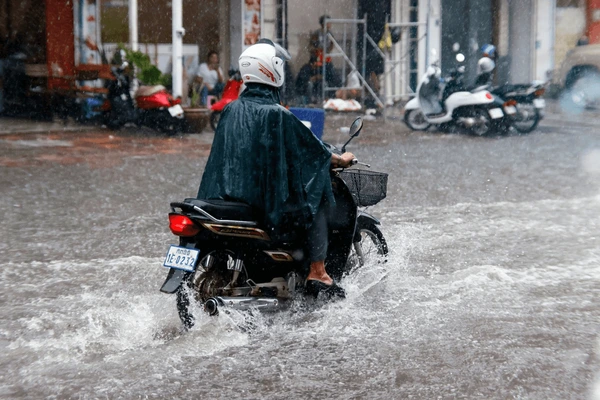
The first rain of the season brings a sigh of relief. The heat of the summer washes away, the dust settles, and the smell of wet earth fills the air. For a rider, the monsoon is a mixed bag of emotions. On one hand, there is a romantic joy in riding through a light drizzle, feeling the cool wind against your face and watching the world turn green around you. On the other hand, the monsoon is the harshest enemy of your motorcycle. Water is the universal solvent, and when mixed with road grime, mud, and industrial pollution, it becomes a corrosive cocktail that wants to eat your bike alive.
For many bike owners, the rainy season means parking the machine in the garage and waiting for the sun to come back out. But for the daily commuter or the adventure seeker, stopping isn’t an option. The commute to work must go on. The grocery runs still happen. And honestly, some of the best rides happen under gray skies. However, riding in the rain requires a completely different approach to maintenance. You cannot just treat your bike the same way you do in summer. The chain rusts overnight. The brakes get gritty and weak. The electrics can short out with a single splash. If you ignore these things, you risk a breakdown in the pouring rain, which is a miserable experience. But if you prepare your bike properly, it can be just as reliable in a storm as it is on a sunny day. In this guide, we are going to walk through the essential steps to weather-proof your ride. We will use simple, plain English to explain exactly what to do, so you can ride with confidence no matter how hard it pours.
Tyre Check The Foundation of Safety on Wet Roads
Your tyres are the only things connecting you to the earth. In dry weather, you can get away with tyres that are a little worn out because the asphalt is sticky. In the rain, that margin of error disappears completely. Water creates a barrier between the rubber and the road. Your tyre needs to cut through that water to find grip. This is the job of the tread—the grooves cut into the tyre.
Think of the tread grooves as little canals. When the tyre rolls over a puddle, the water is squeezed into these canals and shot out the sides. This allows the rubber to touch the road. If your tyres are bald or worn down, there are no canals. The water has nowhere to go. It gets trapped under the tyre, lifting it off the ground. This is called “hydroplaning” or “aquaplaning.” When this happens, you are literally surfing on a layer of water. You have zero steering and zero braking. It is terrifying.
Before the first rain hits, check your tread depth. Look for the little “wear bars” inside the grooves. If the rubber is level with those bars, replace the tyres immediately. Do not wait. Also, check the age of the tyres. Old rubber gets hard and plastic-like. Hard rubber slides on wet surfaces. You want soft, fresh rubber. Finally, drop your tyre pressure slightly—maybe by 1 or 2 PSI—below the recommended max. This allows the tyre to flatten out a tiny bit more, creating a larger contact patch for better grip. But don’t go too low, or the tyre will squirm and feel unstable.
Brake Maintenance Stopping Safely When It Is Slippery
Stopping in the rain is harder than stopping in the dry. The road is slippery, which means your wheels lock up easier. But the rain also affects the mechanical parts of your brakes. Wet roads are full of grit and sand. As you ride, the water sprays this gritty paste onto your brake discs and into your brake drums.
For disc brakes (usually on the front wheel), this grit acts like sandpaper. You might hear a grinding or scratching sound when you apply the brakes in the rain. This is the sound of mud being crushed between the pad and the disc. While disc brakes are self-cleaning to a degree, this grit wears down your brake pads much faster than normal. You need to check your pad thickness frequently during the monsoon. If they get too thin, the metal backing plate will destroy your expensive brake rotor.
For drum brakes (often on the rear wheel of smaller bikes), the problem is different. Water can get inside the drum and stay there. Wet drum brakes often lose their bite completely, or they become “grabby” and lock up the wheel unexpectedly. If you ride through deep water, pump your brakes gently a few times afterward. The heat generated by the friction will evaporate the water and restore your braking power. Also, keep an eye on your brake fluid. Brake fluid absorbs moisture from the air. In humid monsoon weather, it absorbs water faster. If your fluid turns dark, change it. Water in the brake lines lowers the boiling point and can cause brake failure.
Chain and Sprocket Care Fighting Rust and Grime
If there is one part of your bike that hates the monsoon the most, it is the drive chain. The chain is made of steel. Rainwater is the enemy of steel. You can ride a brand new, shiny chain through a rainstorm, park the bike, and wake up the next morning to find the chain covered in bright orange rust. It happens that fast.
Rust is not just ugly; it ruins the chain. It creates friction, making the links stiff so they don’t bend around the sprockets smoothly. This “kinking” wears out the chain and the sprockets in record time. During the rainy season, you need to clean and lube your chain at least once a week, or immediately after any ride in heavy rain.
The maintenance routine is simple. First, clean the chain. Do not use a high-pressure washer, as it forces water past the rubber O-rings inside the chain, causing internal rust. Use a brush and a chain cleaner (or kerosene) to scrub off the black sludge. This sludge is a mix of old lube and road sand, which acts like a grinding paste. Once it is clean, dry it with a rag. Then, apply a heavy, waterproof chain lube. In summer, we use “dry” lube to avoid dust. In monsoon, we need “wet” lube. It is sticky and thick. It clings to the chain and forms a waterproof barrier. It might be messy and fling a bit onto your wheel, but it is the only way to stop the rust.
Electrical System Protection Keeping the Spark Alive
Electricity and water do not mix. Modern bikes are full of sensors, wires, and fuses. While manufacturers try to waterproof these connections, they are not submarines. As bikes age, the rubber seals on connectors dry out and crack, letting water in.
The most common failure point in the rain is the spark plug cap. This is the rubber boot that connects the wire to the engine. If this cap is loose or cracked, water from the front wheel sprays directly onto it. The water seeps inside and shorts out the spark. The result? Your bike sputters and dies in the middle of a puddle, and it won’t start until it dries out. To prevent this, inspect the cap. If it looks old, replace it (it is a cheap part). You can also apply a little bit of dielectric grease inside the cap to create a water-tight seal.
Also, check your battery terminals. The high humidity of the monsoon causes corrosion (that white powdery stuff) to build up faster on the battery posts. This adds resistance, making the bike hard to start. Clean the terminals with baking soda and water, tighten them up, and coat them in petroleum jelly (Vaseline). This keeps the moisture out. Finally, carry a can of WD-40. The “WD” stands for Water Displacement. If your ignition switch or handlebar switches get soaked and stop working, a quick spray of WD-40 can drive the water out and get you moving again.
Lighting and Visibility See and Be Seen in the Rain
In a heavy downpour, visibility drops to near zero. Car drivers are struggling to see through their foggy windshields and splashing wipers. A motorcycle is small and easy to miss. Your lights are your only defense. You need to be a beacon of light in the gray gloom.
Check every single bulb on your bike. The headlight, the tail light, and all four turn signals. In the rain, hand signals are useless because nobody can see them (and you don’t want to take your hand off the bars). If your headlight lens is yellow or foggy from age, restore it with a polishing kit or replace it. A dim yellow light disappears in the rain.
Consider upgrading your bulbs. If your bike allows it, switching to a high-quality LED bulb can make a massive difference. LEDs are brighter and whiter, cutting through the rain better than old halogen bulbs. However, make sure they are legal and aimed correctly so you don’t blind oncoming traffic. Also, wipe your lights clean before every ride. A layer of mud on the tail light can reduce its brightness by 50%. You want the person behind you to know exactly when you are stopping.
Bodywork and Rust Prevention Protecting Your Bike Skin
Your bike’s frame and body panels are under constant attack during the monsoon. It isn’t just water; it is “road spray.” This spray contains oil, mud, and sometimes acidic pollutants. If you have any scratches on your paint or chips in your frame, this spray will find them and start the rusting process.
Take a close look at your bike. Look for any spots where the paint has chipped off, especially on the metal tank and the frame welds. If you find a chip, cover it with a dab of touch-up paint or even clear nail polish. This seals the metal from the air.
Waxing your bike is not just for making it look shiny; it is vital protection. A coat of wax acts like a raincoat for your paint. It fills in the microscopic pores of the clear coat so water cannot settle there. When a bike is well-waxed, the water beads up and rolls off instantly. This keeps the bike cleaner because the mud slides off the wax instead of sticking to the paint. Don’t forget the underside of the fenders. Spray some anti-rust spray (like WD-40 or a specialized protectant) on the metal parts under the seat and under the mudguards to stop hidden rust from forming.
Engine Health Air Filters and Water Logging Risks
Your engine acts like a giant vacuum cleaner. It sucks in massive amounts of air to mix with fuel. In the monsoon, the air is thick with moisture. The air filter is the mask that protects the engine.
If you have a paper air filter (which is standard on most street bikes), moisture is bad news. If the paper gets soaked, it swells up and blocks the airflow. The bike will feel sluggish, gasp for breath, and consume a lot more fuel. Check your air box to make sure the drain hole is clear so any water that gets in can drain out. If you expect to ride in deep water, make sure you know where your air intake is located. It is usually under the seat or near the fuel tank. If water gets into the intake, it goes straight into the engine cylinder. Water cannot be compressed. If the piston tries to compress water, the engine will explode internally (hydrolock). Never ride through water deeper than your exhaust pipe or air intake.
Also, be careful with the engine oil. In high humidity, condensation can form inside the engine block. If you only take short trips, the engine never gets hot enough to boil this water off. The water mixes with the oil, turning it into a milky white sludge. This sludge does not lubricate well. Try to take the bike for a longer ride once a week to get it fully hot, or change the oil more frequently during the wet season.
Safe Riding Tactics How to Handle Wet Surfaces
Maintaining the machine is only half the battle; you also have to adjust the nut behind the handlebars (that is you!). Riding in the rain requires a completely different style. The road surface changes texture. Painted lines (zebra crossings, lane dividers) become as slippery as ice when wet. Metal manhole covers are death traps. Avoid them at all costs, or ride over them in a straight line without braking or turning.
Your inputs must be smooth. Imagine there is an egg between your hand and the throttle. If you squeeze too hard, it breaks. Accelerate gently. Brake gently. Do not grab the brake lever in a panic, or the front wheel will lock, and you will crash. Use more rear brake than usual, as locking the rear wheel is recoverable, while locking the front is usually a crash.
Increase your following distance. In dry weather, a two-second gap is fine. In the rain, make it four or five seconds. You need more space to stop, and you need to get away from the spray of the vehicle in front of you. Watch out for “rainbows” on the road. These are oil spills floating on top of the water. They are incredibly slippery. They usually appear at intersections where cars stop and drip oil.
Post-Ride Ritual Washing Off the Muck
The most important maintenance step happens the moment you get home. You are wet, you are cold, and you just want to go inside and have a hot shower. But your bike needs you. It is covered in a layer of road muck that is slowly drying into a hard cement.
Do not let the dirt dry on the bike. Take a bucket of water or a hose and give the bike a quick rinse. You don’t need to do a full detail with soap and polish. Just spray off the mud from the chain, the brakes, and the engine fins. This takes two minutes.
If you leave the mud to dry, it traps moisture against the metal. This is what causes deep corrosion. By rinsing it while it is still wet, you remove the corrosive agents. Once it is rinsed, wipe the chain with a dry rag and spray a quick coat of lube on it. This displaces the water and protects it for the night. Park the bike on the center stand if you have one, so the water drains off effectively. If you cover the bike, make sure the bike is cool and dry first, or use a breathable cover. Trapping a wet bike under a plastic sheet is like creating a sauna for rust.
Conclusion Enjoying the Rain with Peace of Mind
The monsoon does not have to be a miserable time for a biker. In fact, it can be a season of beautiful rides, cooler temperatures, and lush scenery. The key is preparation. You are not fighting the rain; you are adapting to it.
By taking the time to check your tyres, seal your electricals, and keep your chain lubed, you remove the anxiety of a breakdown. You can focus on the road and the experience. There is a special bond that forms between a rider and their machine when they brave the elements together. A well-maintained bike will carry you through the storm safely and reliably.
So, when the clouds gather and the first drops fall, don’t hide the keys. Grab your rain gear, prep your bike, and head out. The smell of the wet asphalt is calling, and now, you and your machine are ready to answer. Ride safe, ride smart, and enjoy the monsoon.